
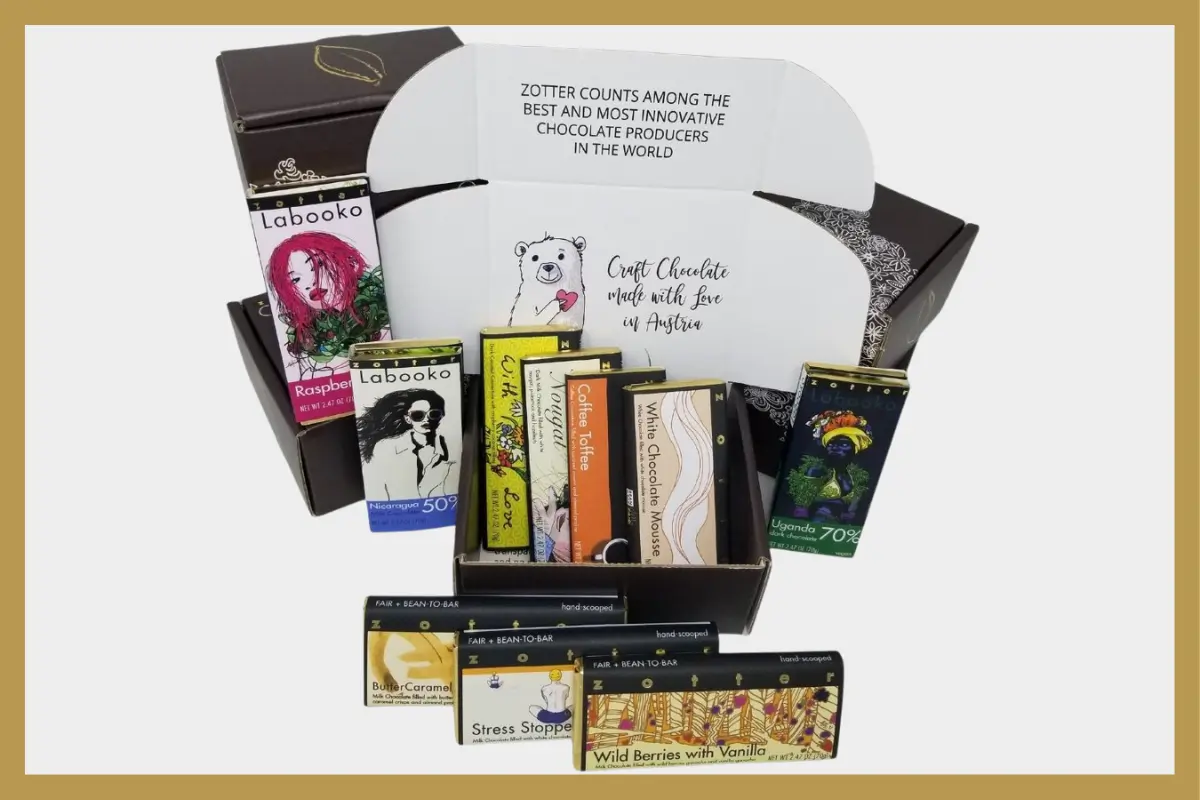
The first snap tells you something before the flavor even arrives. In the dark versus milk chocolate debate, the real question is not which is objectively better. It is which kind of chocolate delivers the experience you want right now: brisk, aromatic intensity; a creamy, caramel-like melt; or an unexpected meeting point between the two.
For a premium chocolate lover, cocoa percentage is a useful clue, not a complete verdict. Origin, roast, sugar, milk, cocoa butter, inclusions, and the maker’s point of view all shape what happens on the palate. A 70% bar can taste bright and fruity, deep and earthy, or surprisingly smooth. A milk chocolate can be delicately creamy, boldly cocoa-forward, or layered with enough complexity to belong at the end of a serious dinner.
Dark Versus Milk Chocolate: The Essential Difference
Dark chocolate is made primarily from cocoa solids, cocoa butter, and sugar. Its cocoa content is generally higher, and it typically contains no dairy milk, though recipes vary and shoppers should always check the ingredient list. More cocoa solids often mean more pronounced roasted, fruity, nutty, floral, or earthy notes, depending on the beans and the chocolate-making process.
Milk chocolate includes milk in some form, often milk powder, along with cocoa solids, cocoa butter, and sugar. The dairy softens cocoa’s natural bitterness and acidity while adding a rounder texture and flavors that can suggest cream, caramel, malt, or dulce de leche. It is not simply dark chocolate made sweeter. It is its own style, with its own possibilities.
The dividing line is less tidy than many shoppers assume. Some dark chocolates are quite sweet, while some high-cocoa milk chocolates offer a distinctly cacao-led character. Fine chocolate asks you to look beyond the label’s headline percentage and taste the full composition.
What cocoa percentage actually tells you
A cocoa percentage combines cocoa solids and cocoa butter. It does not tell you exactly how much sugar is present, how intense the roast may be, where the beans were grown, or whether the chocolate will taste bitter. That is why two bars labeled 70% can feel worlds apart.
As a broad guide, darker bars commonly range from around 60% cocoa into the 90% range. At the lower end, expect a more approachable balance of cocoa and sweetness. Around 70%, many bars show enough depth for tasting while retaining a generous melt. At 85% and above, the experience becomes more concentrated and less sweet, with bean quality and careful crafting becoming especially apparent.
Milk chocolate has lower cocoa content by definition, but premium versions can still offer real complexity. A well-made milk bar should not hide behind sugar. It should let cocoa speak in a softer register.
Flavor: Intensity Versus Creaminess Is Too Simple
Dark chocolate is often described as intense, and it can be. But intensity is not the same as harshness. Excellent dark chocolate may reveal red fruit, citrus, toasted nuts, coffee, honey, spice, or a clean, lingering cocoa finish. Its texture is often firmer, its snap more audible, and its finish longer.
Milk chocolate tends to feel more immediately generous. The milk component rounds sharp edges, and the cocoa butter creates a plush, quick melt. Its familiar comfort makes it a natural home for flavors such as hazelnut, praline, nougat, vanilla, cinnamon, and salted caramel. Yet adventurous milk chocolate can handle unexpected companions too, from bright fruit to warming spices and savory accents.
Neither style owns sophistication. Dark chocolate rewards slow tasting and attention to nuance. Milk chocolate offers a softer, more enveloping pleasure, especially when the recipe gives high-quality cocoa room to shine. The choice can be as simple as mood: choose dark when you want focus and contrast; choose milk when you want warmth and velvet.
Ingredients and Craft Matter as Much as the Label
The shortest ingredient list is not automatically the best bar, but every ingredient should have a purpose. In fine dark chocolate, that may mean a carefully selected cocoa origin, cocoa butter, and cane sugar in a considered balance. In fine milk chocolate, the quality and proportion of the milk ingredient matter just as much as the cocoa.
Bean-to-bar production adds another layer. When a maker oversees the path from cocoa bean through roasting, grinding, conching, and molding, there is more opportunity to preserve or shape each bean’s character. A lighter roast might highlight fruit and floral notes; a deeper roast can bring out toasted, earthy depth. Conching refines texture and integrates flavor, turning raw intensity into a polished finish.
Ethical sourcing belongs in this conversation, too. Chocolate tastes better when its pleasure is connected to respect for the people who grow cocoa and the places where it is grown. Organic and fair trade standards can help shoppers choose with greater confidence, though thoughtful sourcing is always worth looking for beyond any single claim.
At Zotter, the joy is in treating chocolate as a creative medium rather than a one-note confection. That approach makes room for pure origin bars, high-cocoa dark chocolate, richly composed milk creations, and hand-scooped fillings that make the category much more deliciously difficult to reduce to sides.
Which Is Better for Your Preferences?
If you are new to premium chocolate, start with what you already enjoy. Love espresso, black tea, red wine, or roasted nuts? A dark bar in the 60% to 75% range is often an inviting first step. It offers a clear cocoa presence without asking your palate to leap straight into extreme bitterness.
If you gravitate toward ice cream, caramel, pastries, or café drinks, begin with a quality milk chocolate. Look for one that promises more than sweetness alone. The best examples have balance: dairy richness, cocoa depth, and a finish that keeps you reaching for another square without feeling heavy.
For gifting, variety often beats certainty. A mixed selection lets the recipient compare styles, discover surprising favorites, and share the tasting. It is especially useful when you do not know whether they are devoted to dark chocolate, loyal to milk, or delightfully undecided.
A note on dietary needs
Traditional milk chocolate contains dairy, so it is not suitable for vegans or people avoiding milk. Dark chocolate may be dairy-free, but it is not guaranteed to be vegan, particularly when it is made in a facility that handles milk or includes fillings. Ingredient lists and allergen information are the final authority.
Sugar preferences also deserve a little nuance. Dark chocolate often contains less sugar than milk chocolate, but “often” is not “always,” and lower sugar does not automatically make a bar more satisfying. A square of exquisitely made chocolate that you taste slowly can be a more rewarding choice than an oversized portion chosen only for a number on the wrapper.
How to Taste Both Like a Chocolate Maker
Set aside the idea that tasting must be formal. Break off a small piece, notice the snap, and let it melt rather than chewing immediately. Pay attention to the first impression, the middle of the melt, and the lingering finish. Does the flavor move from fruit to roast? From cream to caramel? Does a filling add contrast or cover the chocolate itself?
Try dark and milk chocolate side by side with a glass of water between bites. Taste the milk chocolate first if you want to preserve your sensitivity to its subtler cocoa notes, then move to dark. Or reverse the order when comparing very sweet milk chocolate with an intensely bitter dark bar. There is no single ritual, only a better chance to notice what you enjoy.
Pairing can sharpen the experience. Dark chocolate often sings beside espresso, black tea, whiskey, or a berry-forward red wine. Milk chocolate is beautiful with coffee, chai, toasted nuts, fresh berries, or a gentle dessert wine. For both, a pinch of salt or a savory ingredient can make sweetness feel more vivid.
The most interesting answer to dark versus milk chocolate is not a verdict. Keep a bar of each on hand, choose according to the moment, and leave room for the flavor that surprises you.