
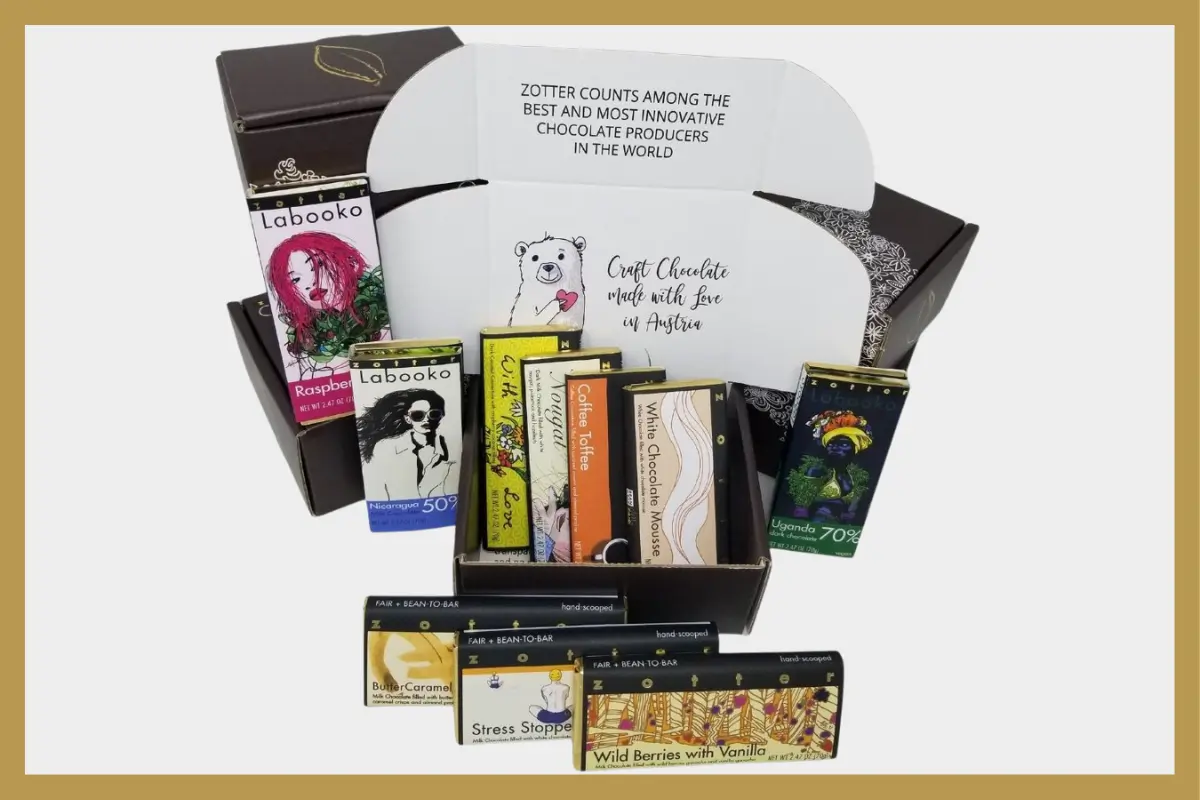
That exquisite bar you have been saving for the right evening is far more resilient than a carton of cream, but it is not immortal. This chocolate shelf life guide helps you protect the flavor, texture, and beautifully layered character that make artisan chocolate worth lingering over.
Chocolate is a low-moisture food, so it generally keeps well. Yet time, heat, light, humidity, and neighboring pantry aromas can quietly change the experience. A bright single-origin dark chocolate may lose some of its vivid fruit notes; a filled bar with praline, fruit, or cream can have a shorter window of peak pleasure. The best approach is not fear of an expiration date. It is knowing what you have, storing it thoughtfully, and eating it while its personality is still fully alive.
Chocolate Shelf Life Guide: Start With the Type
The date on a package is your most useful starting point. For premium chocolate, it is typically a best-by date, meaning the maker’s estimate of when the product will show its intended flavor and texture. It is not necessarily a hard safety deadline.
Plain dark chocolate usually has the longest shelf life. Its higher cocoa content and lower dairy content make it especially stable when kept in good conditions. Milk chocolate is also durable, though its milk solids and added fats can make it more sensitive to stale or oxidized flavors over extended storage. White chocolate, which contains cocoa butter but no cocoa solids, deserves similar care and may show changes in flavor sooner.
Filled chocolate is where the details matter most. A hand-scooped bar may contain ganache, nougat, nut praline, fruit layers, marzipan, caramel, or other imaginative centers. These inclusions are part of the pleasure, but they can reduce shelf life compared with a solid bar. Nuts can gradually lose their crispness or develop a rancid note; fruit fillings may change texture; dairy-based centers have their own freshness limits.
For that reason, enjoy filled bars closer to their best-by date than you would a plain dark bar. This is not a reason to rush through a collection. It is a fine excuse to open the adventurous flavors first and let your solid origin bars wait patiently in reserve.
The Best Place to Store Chocolate
Chocolate prefers a calm, dark, dry environment with a stable temperature. Aim for about 60 to 68°F, if possible. A cool interior cabinet, a dedicated pantry shelf, or a temperature-controlled wine cabinet set appropriately can work beautifully.
The kitchen counter is often less ideal than it looks. Afternoon sun, a warm appliance, or the heat from cooking can soften cocoa butter and encourage bloom. Avoid storing chocolate above the refrigerator, near the oven, or beside a window. A garage, car, and porch are equally unreliable, especially during American summers.
Keep bars in their original packaging until you are ready to enjoy them. Premium wrappers do more than look handsome. They help shield chocolate from air, light, moisture, and scent transfer. If a bar has been opened, wrap the remaining portion tightly, then place it in an airtight container. Chocolate readily absorbs aromas, and no one orders a delicate cacao bar hoping for a hint of garlic powder or refrigerator onion.
For a collection of several bars, organize it by best-by date and filling type. Place shorter-lived filled selections toward the front. Save plain dark chocolate and unopened reserve bars for later. This small ritual makes a discovery pack feel even more considered, and it helps ensure each bar is enjoyed at its expressive best.
Should You Refrigerate Chocolate?
Usually, no. Refrigeration introduces two challenges: moisture and odor. When cold chocolate is exposed to warmer air, condensation can form on its surface. That moisture may contribute to sugar bloom, the pale, grainy coating that changes texture. Refrigerators also contain plenty of competing aromas.
Still, climate wins. If your home is consistently warmer than about 72°F or notably humid, refrigeration can be the better choice. The goal is to protect the chocolate from repeated melting and resolidifying, which is often more damaging than a carefully managed chill.
To refrigerate chocolate well, leave it in its original packaging and place it inside an airtight container or resealable bag. Keep it away from aromatic foods. When you are ready to eat it, do not open the container immediately. Let it come gradually to room temperature while still sealed, ideally for one to two hours. This gives condensation a chance to form on the outside of the container rather than on the chocolate itself.
Freezing is possible for long-term storage, but it is not the first choice for a bar you plan to eat soon. Use a truly airtight, double-wrapped package, and thaw it slowly in the refrigerator before bringing it to room temperature. Freezing can be worthwhile for a large unopened stash, especially in a hot climate, but the gradual temperature transitions are nonnegotiable.
Bloom Is Not Always a Bad Sign
A white or grayish coating can look alarming, particularly on a polished dark bar. In most cases, it is bloom rather than mold. Chocolate has very little available water, so mold is uncommon in properly made, properly stored chocolate.
There are two common forms. Fat bloom occurs when cocoa butter migrates to the surface, often after temperature swings. It tends to look smooth, streaky, or dusty. Sugar bloom happens when moisture dissolves surface sugar and leaves crystals behind as the moisture evaporates. It often feels rough or grainy.
Bloom is a quality issue, not usually a safety issue. The chocolate is generally fine to eat, though it may not melt as silkily or look as pristine as intended. If you are baking, bloom is rarely a concern. If you are tasting a rare origin bar or giving a high-end chocolate gift, a fresh, bloom-free bar offers the more luxurious experience.
When Chocolate Should Be Discarded
Trust both the package date and your senses, particularly with filled products. A bar that is past its best-by date may still be enjoyable, but a few signs call for restraint:
- visible mold, especially around an exposed or damaged filling
- an unusual fermented, sour, or rancid odor
- a leaking, swollen, or visibly compromised package
- fillings that appear wet, separated, or dramatically altered
A pale bloom alone does not belong on this list. Neither does a slight softening after a warm shipping day, provided the package is intact and the chocolate was not repeatedly exposed to heat. Let it cool gradually, inspect it, and decide whether the texture still meets your standards.
How to Serve Chocolate at Its Best
Storage protects a bar; serving temperature reveals it. Chocolate straight from a cold room can seem muted, firm, and less aromatic. Let it rest at room temperature before tasting. Around 68 to 72°F is a lovely range for many bars, though a softer filled chocolate may need a slightly cooler room to hold its clean structure.
Break off a square and give it a moment. Notice the snap of a dark bar, the fragrance released from a filled center, and the way the flavor develops rather than simply disappears. This is particularly rewarding with unusual pairings: fruit and spice, nut praline and salt, coffee, herbs, or a whisper of heat. A premium bar has more to say when it has not been rushed from cold storage to the palate.
If you are gifting chocolate, buy with the occasion in mind. For a birthday next month, a selection with a comfortable best-by window is a confident choice. For a gift basket traveling through summer weather, keep transit time and indoor delivery in view. Zotter’s broad range makes it easy to choose between immediate, flavor-forward discovery and bars designed to wait for a special moment.
The finest chocolate is made to be enjoyed, not treated like a museum piece. Give it a cool, dark home, open it with curiosity, and let the next remarkable square earn its place in the evening.