
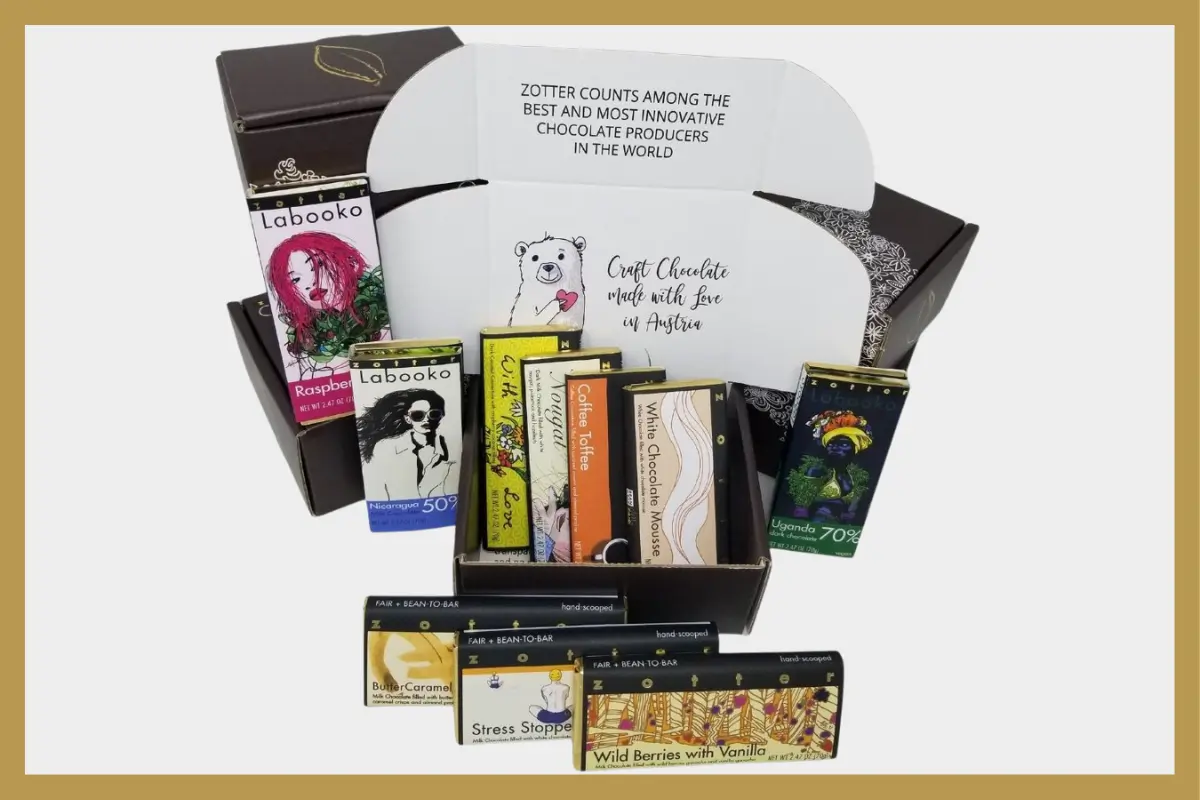
Standing in front of a wall of premium bars can feel a little like choosing wine without a sommelier. If you have ever wondered how to buy artisan chocolate without overpaying for pretty packaging or missing the bar that actually suits your taste, the answer starts with knowing what makes artisan chocolate different in the first place. The best bars offer more than sweetness – they deliver craftsmanship, ingredient integrity, and a point of view.
Artisan chocolate is not simply expensive chocolate. It is chocolate made with intention. That can mean bean-to-bar production, hand-crafted fillings, carefully sourced cacao, organic ingredients, fair trade certifications, or flavor work that feels more like culinary composition than candy manufacturing. Once you know what signals quality, shopping becomes less intimidating and far more rewarding.
What artisan chocolate really means
The term artisan gets used loosely, so it helps to look past the label. In the strongest sense, artisan chocolate reflects a maker’s decisions at every stage: sourcing cacao, roasting, conching, balancing sweetness, and developing flavor combinations that feel distinctive rather than generic. Some makers focus on pure origin bars that showcase the personality of a specific cacao-growing region. Others build elaborate filled bars, layered pralines, or drinking chocolates with the same level of care.
That does not mean every artisan bar must be minimal or serious. Some of the most memorable collections are playful, bold, and unexpected. A bar can pair refined technique with adventurous flavor. What matters is whether the product tastes intentional, not mass-produced.
How to buy artisan chocolate by reading the label
A good label tells you a great deal before you ever open the wrapper. Start with the ingredient list. Shorter is not always better, especially for filled bars, but clarity matters. You want recognizable ingredients and a formula that reflects quality rather than cost-cutting. In dark chocolate, cacao mass, cacao butter, and sugar are standard. Vanilla, spices, milk powder, nuts, fruit, or inclusions may appear depending on the style.
If a bar relies heavily on fillers, artificial flavors, or vague terms, that is worth noticing. Some exceptional flavored bars use complex ingredients, but they should still feel deliberate and transparent. Premium artisan chocolate usually treats ingredients as part of the story, not something to hide.
Cacao percentage matters too, but not in the simplistic way people sometimes assume. Higher percentage does not automatically mean better chocolate. An 85% bar can be stunning or harsh. A 70% bar can be nuanced, elegant, and deeply satisfying. Percentage tells you how much of the bar comes from cacao ingredients rather than sugar and add-ins. It does not tell you whether the cacao is expressive, balanced, or beautifully handled.
Origin, ethics, and why they affect taste
One of the most compelling reasons to choose artisan chocolate is that sourcing tends to be more visible. Cacao origin matters because beans from different regions can produce different flavor profiles – bright and fruity, earthy and deep, floral, nutty, or spice-toned. If you enjoy coffee, wine, or olive oil, the idea will feel familiar. Origin shapes flavor.
Ethical sourcing matters for another reason as well. Chocolate is only as admirable as the supply chain behind it. Organic certification, fair trade commitments, and direct relationships with cacao growers are not marketing extras when they are done seriously. They signal that the maker cares about agriculture, labor, and quality at the source.
There is also a practical side to this. Better sourcing often leads to better raw material, and better raw material gives the chocolate maker more to work with. Ethics and taste are not separate conversations here. They often reinforce each other.
Choose by style, not just by price
When people first shop premium bars, they often compare by cost alone. That is understandable, but artisan chocolate is easier to buy well when you compare within categories. A pure origin dark bar should not be judged the same way as a hand-filled bar with layered ganache, fruit, nuts, or nougat. They serve different purposes.
If you want to taste cacao itself, start with plain dark or milk chocolate from a respected maker. This gives you a clear read on texture, roast, sweetness, and bean character. If you want a more expressive experience, filled bars and inventive flavor combinations can be extraordinary. A carefully made bar with coffee, caramel, fruit, spice, or nuts may reveal just as much artistry as a minimalist bar.
This is where personal preference matters. Some buyers love austere, high-cacao bars with almost no sugar. Others want texture, creaminess, and contrast. Neither approach is more sophisticated by default. The smart move is to buy for the experience you actually want.
How to buy artisan chocolate for your taste
If you are new to the category, do not start by trying to prove something with the darkest bar you can find. Start with what you already enjoy, then trade up in quality. If you like smooth, creamy milk chocolate, look for a premium milk bar with a high-quality cacao base and a balanced sweetness. If you enjoy dessert flavors, try filled bars or curated assortments with distinct flavor profiles.
Discovery packs are especially useful here. They let you compare styles side by side without committing to one expression. That matters because artisan chocolate varies widely. One maker may emphasize roast and bitterness. Another may lean fruity and bright. Another may focus on rich fillings and dramatic flavor architecture. A curated assortment helps you find your lane faster.
For experienced chocolate buyers, it can be worth alternating between familiar favorites and something unexpected. The best artisan collections reward curiosity. A bar with unusual ingredients can sound eccentric on paper and taste surprisingly elegant in practice.
Freshness, storage, and seasonality
Chocolate has a longer shelf life than many premium foods, but freshness still matters. Filled bars, truffles, and bars with dairy, fruit, or delicate inclusions are often best enjoyed within a more limited window than plain dark chocolate. Before buying, check whether the maker shares shelf life guidance or storage recommendations. Reputable premium brands usually do.
Temperature is another real consideration, especially for US shoppers ordering online. Good chocolate can travel well when packed thoughtfully, but extreme heat is not ideal. Seasonal timing, insulated shipping, and the maker’s fulfillment standards all play a role in whether the chocolate arrives in peak condition. This is one area where operational confidence matters almost as much as flavor.
Seasonality can also shape what is available. Holiday collections, gift sets, and limited releases are often among the most exciting products in an artisan assortment. If you are shopping for a gift or a special occasion, those curated formats can offer a more polished experience than buying single bars at random.
Gifting vs. self-purchasing
Buying artisan chocolate for yourself is one thing. Buying it for someone else calls for a slightly different lens. A gift should feel elevated, but it should also be easy to enjoy. Unless you know the recipient loves very high-cacao bars or highly unusual flavors, a balanced assortment is often the safest premium choice.
Presentation matters here, and artisan brands tend to excel at it. Elegant packaging, curated collections, and themed assortments create a stronger sense of occasion. That said, the best chocolate gifts are not only beautiful. They are chosen with enough range that the recipient can discover a favorite rather than feeling boxed into one style.
If you are buying for a household, mixed formats can be especially smart: a few pure bars, a few filled bars, maybe a drinking chocolate or seasonal specialty. A brand with a wide flavor portfolio, such as Zotter USA, makes that kind of discovery easy without sacrificing quality.
When a higher price is worth it
Not every expensive bar is worth the premium. Sometimes you are paying for branding more than substance. The bar should justify its price through flavor clarity, ingredient quality, craftsmanship, ethical sourcing, and overall experience. If it tastes flat, overly sweet, or generic, the luxury story falls apart fast.
On the other hand, truly artisan chocolate often costs more for good reason. Better cacao, organic ingredients, fair trade practices, small-batch production, hand-crafted fillings, and careful packaging all add cost. The point is not to buy the most expensive option. It is to recognize when a higher price reflects actual value.
A useful question to ask is this: does this chocolate feel distinctive? If the answer is yes – if it offers complexity, beauty, and integrity you cannot get from conventional candy – then the premium can be entirely justified.
A smart way to start
If you want the shortest path to buying well, begin with a curated assortment from a maker whose sourcing and craftsmanship are clearly explained. Taste across styles. Notice what you return to: origin bars, creamy milk chocolate, fruit-forward dark bars, layered fillings, vegan recipes, spice, nuts, or adventurous combinations. Once you know your preferences, buying artisan chocolate stops feeling like guesswork and starts feeling like collecting experiences.
The best bar is not the one with the highest percentage or the most austere reputation. It is the one made with care, sourced with integrity, and chosen with enough curiosity that the first bite feels like it was worth finding.