

You can spot cheap vegan chocolate almost immediately. It leans waxy instead of silky, tastes flat instead of layered, and too often treats “vegan” like the whole pitch rather than the beginning of the standard. If you are figuring out how to buy vegan chocolate, the better question is not simply whether it skips dairy. It is whether it still delivers everything that makes exceptional chocolate worth buying in the first place – depth, craftsmanship, texture, and character.
For premium chocolate shoppers, that distinction matters. Vegan chocolate has moved far beyond the old compromise category. The best bars now stand on their own, not as substitutes but as luxurious, flavor-driven chocolates with serious ingredient integrity. The trick is knowing what separates a genuinely impressive vegan bar from one that just wears a plant-based label.
How to buy vegan chocolate without settling
Start with the ingredient list, but do not stop there. A vegan label tells you what is missing. It does not tell you whether the bar is beautifully made. Great vegan chocolate should still begin with excellent cocoa, thoughtful sweetening, and a recipe designed for flavor rather than restriction.
A short ingredient list is often a good sign, especially for dark chocolate. Cocoa mass, cocoa butter, sugar, and perhaps vanilla can be enough when the cacao is expressive. For filled bars or more inventive flavors, the list will naturally be longer, but the same principle applies. You want recognizable ingredients chosen for taste and texture, not a formula padded with fillers.
This is where premium bean-to-bar makers tend to stand apart. They treat vegan chocolate as a deliberate composition. Instead of relying on dairy to create richness, they build richness through cocoa butter, nut pastes, fruit, spice, coffee, coconut, or carefully balanced plant-based fillings. The result can be surprisingly nuanced – sometimes brighter and cleaner than milk-based chocolate, sometimes deeper and more origin-driven.
What actually makes chocolate vegan
At the most basic level, vegan chocolate contains no milk, butterfat, cream, whey, or other animal-derived ingredients. Dark chocolate often qualifies, but not always. Some dark bars still include milk powder or are produced on shared equipment where cross-contact matters for some shoppers.
If you are buying for strict dietary reasons, check both the ingredients and any allergen statement. “Dairy-free” and “vegan” are close, but not identical. Dairy-free focuses on the absence of milk ingredients. Vegan covers the full recipe, including additives and flavorings that may come from animal sources.
For many shoppers, the more interesting question is how the bar replaces traditional creaminess. Some vegan chocolates are intentionally pure and cacao-forward. Others create a lush, almost truffle-like profile with ingredients such as almond praline, hazelnut gianduja, oat components, or coconut. Neither approach is better across the board. It depends on whether you want a clean dark snap or a more indulgent, dessert-like experience.
Read beyond the front of the package
Packaging can be persuasive, especially in premium food. Words like artisanal, organic, and ethical are appealing, but they mean more when they are supported by real substance. When buying vegan chocolate, look for evidence of craft and sourcing discipline rather than generic lifestyle branding.
Cacao percentage helps, but it is not a shortcut to quality. A 70% bar can taste elegant, fruity, and balanced, or harsh and one-note. A lower-percentage vegan bar can still feel refined if the cocoa is well sourced and the sweetness is handled with restraint. Percentages tell you part of the story. Origin, roast, conching, texture, and recipe design tell the rest.
Certifications can also matter, particularly if ethical sourcing is part of why you buy premium chocolate in the first place. Organic and fair trade claims are most meaningful when they are part of a broader commitment to cocoa transparency and long-term producer relationships. A high-end vegan chocolate should feel aligned with your values, not just your pantry preferences.
How to judge quality when shopping online
Buying chocolate online changes the equation a bit. You cannot snap off a square in advance, so you need better signals. Product descriptions should say something useful about flavor, texture, and ingredients. “Rich dark chocolate” is not enough. Better descriptions tell you whether a bar is fruity, earthy, nutty, floral, spicy, creamy, crisp, or filled.
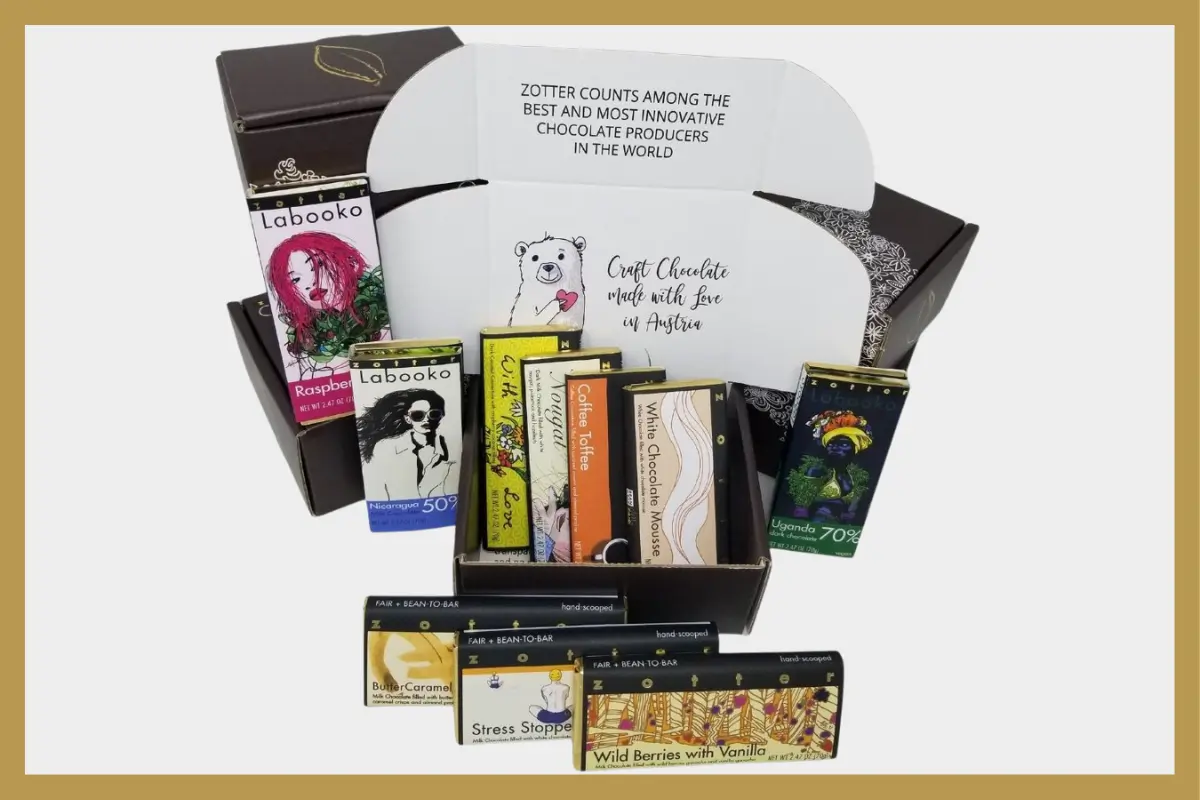
Photos matter too, especially for filled bars and specialty assortments. Premium chocolate should look carefully made. If a maker offers a broad assortment, a discovery pack can be the smartest place to begin. That approach lowers the risk of choosing one bar based on guesswork and gives you a clearer sense of the house style.
This is often the best answer for shoppers who feel torn between classic and adventurous flavors. If you know you appreciate craft but are not yet sure whether you prefer pure origin bars, fruit-forward dark chocolate, or layered vegan fillings, a curated assortment gives you range without overwhelm.
Flavor matters more than labels
One of the easiest mistakes in vegan chocolate shopping is choosing solely by dietary category. Vegan is useful information, but it is not a flavor profile. Think instead about what you already love in chocolate.
If you like intense, elegant dark bars, look for single-origin or high-cacao options with tasting notes that mention berries, citrus, coffee, roasted nuts, or spice. If you prefer something softer and more dessert-like, seek out bars with praline, nougat-style fillings, coconut, fruit cream, or layered inclusions that add texture and contrast.
This is where adventurous chocolate makers become especially interesting. Vegan chocolate does not need to stay inside the narrow lane of plain dark bars. It can be playful, refined, and surprisingly indulgent. A well-made plant-based filling can create as much drama and pleasure as any conventional confection. In some cases, more. The absence of dairy can let brighter ingredients speak with greater clarity.
Price, gifting, and when premium is worth it
Not every vegan chocolate purchase needs to be a grand gesture. Still, if you are shopping in the premium category, price should buy you something specific: better cocoa, stronger sourcing standards, more distinctive flavor development, finer texture, or gift-worthy presentation.
If a bar is expensive but vague, that is a warning sign. If it is expensive because the maker works with organic ingredients, fair trade cocoa, complex fillings, hand-crafted formats, or a true bean-to-bar process, the value becomes easier to understand.
For gifting, vegan chocolate is often a stronger choice than people expect. It feels inclusive without feeling generic, especially when the assortment is polished and flavor-forward rather than “free-from” coded. A luxurious vegan chocolate gift should still feel celebratory. That means presentation counts, but the flavors need to justify the occasion.
For personal shopping, subscriptions or recurring orders can make sense if you know you have found a maker whose style matches your taste. If you are still exploring, a smaller mixed selection is the more confident move. Premium shopping should feel curated, not like a bulk commitment made too early.
How to buy vegan chocolate for your taste, not someone else’s
There is no single best vegan chocolate because there is no single best chocolate experience. Some people want pure origin bars with a clean finish and almost wine-like complexity. Others want bold fillings, texture, and a little theatricality. Some prioritize organic and fair trade certifications above all else. Others care most about flavor creativity and artisan technique.
The smartest buyers know their hierarchy. If ethics comes first, make that non-negotiable. If flavor adventure is the point, choose a maker known for imagination as much as ingredient quality. If you want everyday luxury, look for bars that are refined enough to feel special but accessible enough to reorder without hesitation.
A brand like Zotter resonates with shoppers who want that mix of craft, ethics, and expressive flavor. Not because vegan is treated as a niche corner, but because it is folded into a broader world of premium chocolate discovery.
That may be the real shift in how to buy vegan chocolate now. You are not searching for the best compromise. You are choosing the kind of chocolate experience you want, then making sure the vegan part is matched by equal care in sourcing, texture, and taste. When those pieces come together, the bar does more than meet a requirement. It earns a place in your pantry, on your table, or in a gift box you are genuinely excited to give.
The best vegan chocolate should make you curious for the next square, not satisfied that you found an acceptable substitute.