

A great vegan chocolate bar should taste like chocolate first: vivid cacao, a clean melt, and enough personality to make you slow down for the next square. This vegan chocolate shopping guide is for anyone who has moved beyond merely checking for dairy and wants a more exquisite standard – one built on ingredients, craftsmanship, and cacao with a clear story.
Vegan chocolate is no longer a narrow corner of the confectionery case. It can be dark and pure, creamy and layered, fruit-bright, spice-laced, or wildly unexpected. The trick is knowing which details signal real quality and which ones simply make a wrapper sound virtuous.
Start With the Chocolate, Not the Label
A product can be technically vegan and still be forgettable. Some bars rely on excess sugar, waxy fats, or flavorings that flatten the character of the cacao. Others use thoughtful recipes and skilled chocolate-making to create something full-bodied and indulgent without a trace of dairy.
Begin with the ingredient list. The shorter it is, the easier it becomes to understand what you are tasting. Cacao mass or cocoa liquor, cocoa butter, and sugar form the foundation of many excellent dark chocolates. Vanilla, spices, fruit, nuts, and plant-based inclusions can add dimension, but they should support the cacao rather than conceal it.
Cocoa butter deserves special attention. It is naturally vegan and gives fine chocolate its satiny texture and elegant snap. A bar made with cocoa butter generally melts more gracefully than one formulated around cheaper vegetable fats. This is not a hard rule for every confection, especially filled bars, but it is a useful signal when comparing premium options.
Read Vegan Chocolate Labels With a Chocolatier’s Eye
The word vegan tells you what has been left out. A careful label tells you what has been put in.
First, look for obvious dairy ingredients such as milk powder, cream, butterfat, whey, casein, lactose, and milk chocolate. Then look beyond them. Filled chocolate often has more complex recipes than a plain dark bar, so check each variety rather than assuming an entire collection follows the same formula.
You may also see phrases such as “may contain milk” or “made in a facility that also processes milk.” These statements usually refer to shared equipment and possible trace contact, not dairy as a deliberate ingredient. Whether that works for you depends on your reason for choosing vegan chocolate. For an ethical vegan shopper, a clear vegan product statement and transparent manufacturing information may be sufficient. For someone with a severe milk allergy, that precautionary language can be a deciding factor and should be treated more conservatively.
Do not confuse dark chocolate with vegan chocolate, either. Many dark bars are dairy-free, but some include milk fat or milk powder to soften bitterness. Read the label every time, particularly with truffles, pralines, flavored bars, and seasonal assortments.
Choose Your Cacao Style
Cacao percentage is a starting point, not a scorecard. A 70% bar can be lush, balanced, and deeply expressive. A 90% bar can be thrillingly intense or simply too austere for a relaxed afternoon treat. The percentage tells you the relative amount of cacao ingredients and sugar, but it does not reveal bean quality, roast profile, origin, or recipe style.
If you prefer a classic dark chocolate experience, look in the 60% to 75% range. These bars often offer enough sweetness to show off notes of caramel, red fruit, toasted nuts, or gentle spice. They also pair beautifully with coffee, aged spirits, and tea.
For a more concentrated cacao encounter, try 80% and above. High-percentage bars reward slower tasting. Let a piece melt rather than crunching through it, then notice whether the flavor leans earthy, floral, citrusy, malty, or tannic. A well-made high-cacao bar should feel intentional, not punishing.
Origin chocolate offers another way to shop. Cacao from a particular region or country can carry a distinct sense of place, shaped by genetics, fermentation, drying, and chocolate-making choices. You may find bright tropical fruit notes in one bar and warm roasted-nut character in another. Single-origin chocolate is not automatically superior, but it is a compelling choice for anyone who wants to taste nuance rather than just sweetness.
A Vegan Chocolate Shopping Guide to Creaminess
The old assumption that dairy is the only path to creamy chocolate has not aged well. Today, premium vegan chocolate can achieve richness through cocoa butter, finely milled cacao, nut pastes, and carefully selected plant-based ingredients.
Nut-based fillings are especially worth seeking out. Hazelnut, almond, pistachio, cashew, and sesame can bring natural body and a lingering, confection-like depth. Coconut can add a round, tropical creaminess, though its flavor is more distinct and may not suit every palate. Oat and rice-based components can create a mellow profile, but recipe quality matters more than the plant ingredient itself.
When shopping for filled vegan bars, think about texture as much as flavor. A delicate nut praline, a soft fruit layer, or a crisp inclusion can turn a bar into a small tasting experience. The trade-off is that more elaborate fillings usually mean a shorter best-by window and more sensitivity to heat. Buy enough to enjoy, but do not save a carefully crafted filled bar indefinitely for a mythical perfect occasion.
Let Ethics Be Part of the Indulgence
Chocolate is an agricultural luxury, and the quality of its ingredients begins long before the bar is wrapped. Organic certification, fair trade standards, direct-trade relationships, and transparent sourcing policies each offer useful information about how a brand approaches cacao.
No single seal answers every question. Fair trade certifications can establish meaningful standards and premiums. Direct relationships can offer more detail about a maker’s purchasing practices and long-term partnerships. Organic sourcing speaks to agricultural methods and can matter greatly to shoppers who want to avoid certain synthetic inputs. The most persuasive brands explain their approach clearly rather than using ethical language as decoration.
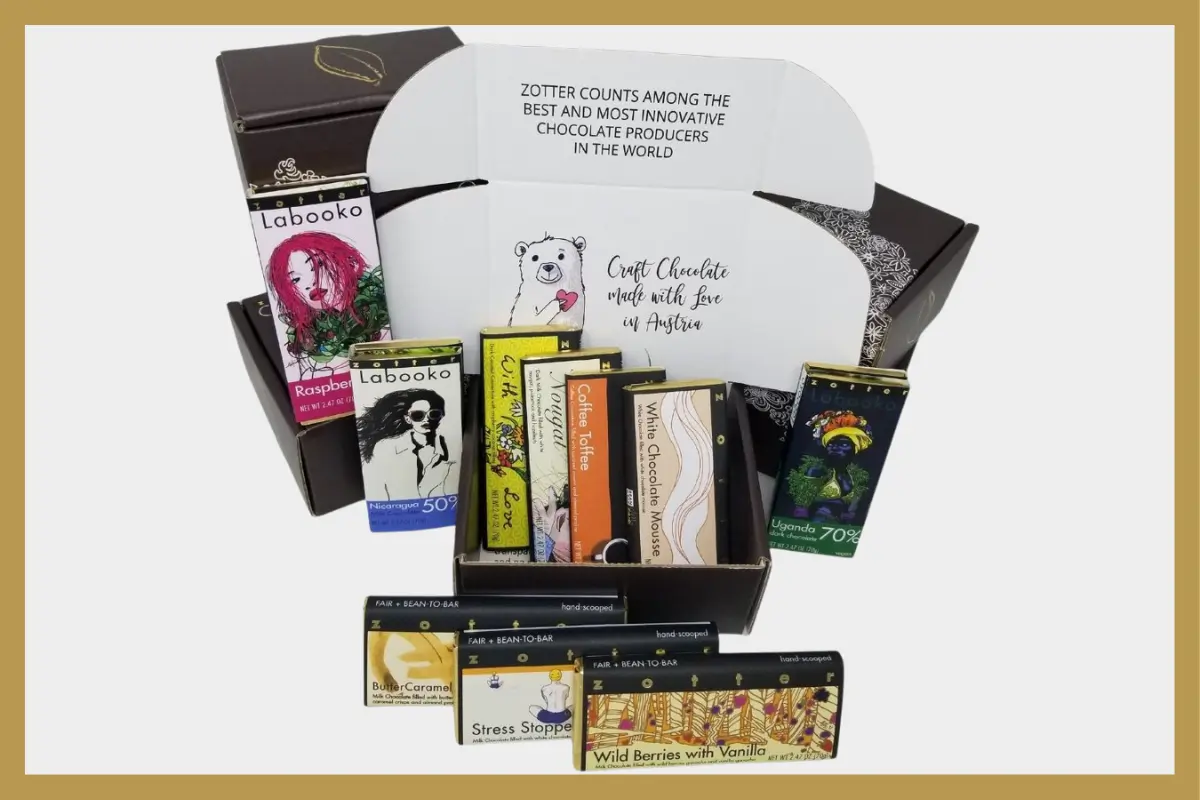
For a premium purchase, it is reasonable to expect more than a vague promise. Look for producers that identify their cacao origins, discuss certification where applicable, and take responsibility for the supply chain. Zotter, for example, brings organic and fair trade cacao together with bean-to-bar craftsmanship and an unusually adventurous range of vegan creations.
Shop for the Moment You Want to Create
A bar for your desk drawer, a dinner-party dessert course, and a gift for a serious food lover should not necessarily be the same chocolate.
For everyday pleasure, choose a bar that feels generous but approachable: a balanced dark chocolate, a fruit-accented recipe, or a familiar nut pairing. For tasting, select two or three contrasting styles, perhaps a single-origin dark bar, a high-cacao bar, and a filled bar with a playful flavor combination. Taste them side by side with water or unsweetened tea, and the differences become far more apparent.
For gifting, presentation and discovery matter. A varied collection lets the recipient find their own favorite, while a distinctive filled bar feels personal without requiring you to guess exactly what they already buy. If the recipient follows a strict vegan diet, confirm that every item in the assortment is vegan rather than relying on the outer package category.
Seasonal chocolate can be particularly tempting, but it is worth asking whether the flavors genuinely appeal to you. Novelty is delightful when it is built on good chocolate. It is less charming when a dramatic ingredient overwhelms the cacao or exists only for spectacle.
Store Your Finds Like the Luxury They Are
Chocolate has enemies: heat, humidity, direct light, and strong odors. Store bars in a cool, dry cupboard, ideally around 60 to 68 degrees Fahrenheit. Avoid the refrigerator unless your home is consistently too warm, since condensation can affect texture and appearance when chocolate returns to room temperature.
A pale coating called bloom may appear when cocoa butter or sugar rises to the surface. It can look disappointing, but it does not necessarily mean the chocolate is unsafe to eat. The texture and visual polish may suffer, while the flavor often remains enjoyable. Proper storage simply protects the experience you paid for.
The most satisfying vegan chocolate purchase is not the one with the loudest claim on the wrapper. It is the bar you remember after the last square: cacao-forward, beautifully made, and compelling enough to make your next choice a little more adventurous.