
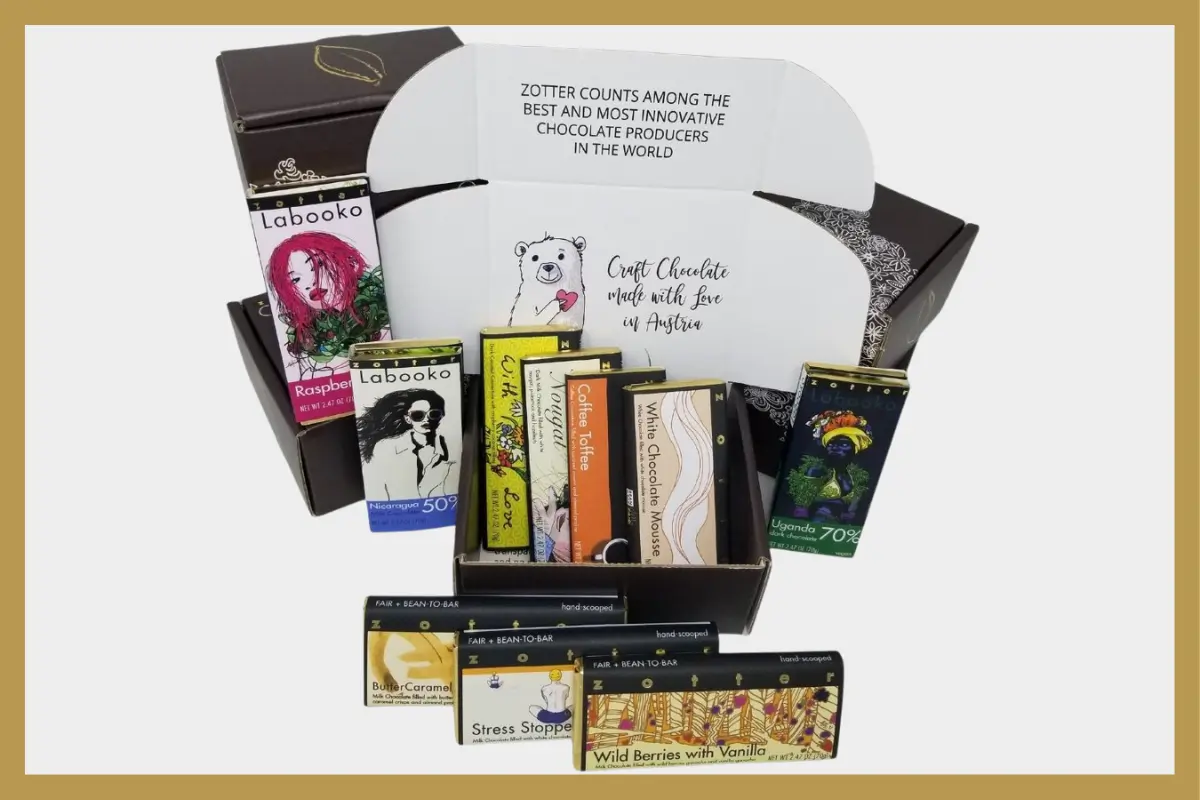
You can tell a lot about a chocolate bar before you take the first bite. Snap it in half, and the sound should be clean. Let it rest on your tongue, and the texture should turn silky rather than waxy. Taste closely, and gourmet chocolate starts to reveal what mass-market candy usually hides – the character of the cacao itself, the quality of the ingredients around it, and the care behind every step.
That difference is exactly why gourmet chocolate has earned a loyal following among people who want more than sweetness. It offers pleasure, certainly, but also craftsmanship, provenance, and the kind of flavor range that can move from elegant and restrained to joyfully unexpected. When a bar is made well, you are not just eating chocolate. You are tasting decisions.
What gourmet chocolate actually means
The term gets used loosely, which is why it helps to define it with a little discipline. Gourmet chocolate is not simply chocolate in expensive packaging. It usually refers to chocolate made with higher-quality cacao, more deliberate sourcing, more careful production, and a stronger point of view on flavor.
That can show up in different ways. Some bars focus on pure origin cacao and let the beans speak with minimal interference. Others lean into filled, layered, or hand-crafted formats where texture and creativity matter just as much as cacao percentage. The common thread is intention. A gourmet bar should taste distinctive, not generic.
Price is part of the conversation, but it is not the whole story. Premium chocolate costs more because better cacao costs more, fair trade and organic standards require investment, and small-batch or artisan production is less efficient than industrial manufacturing. Still, not every pricey bar is worth the premium. The real test is whether the chocolate delivers complexity, balance, and a sense that someone cared enough to make it memorable.
The ingredients matter more than the marketing
If you want to judge gourmet chocolate well, start with the ingredient list. A shorter list is not automatically better, but clarity matters. High-quality cacao mass, cacao butter, and thoughtfully chosen sweeteners are strong signals. Heavy use of fillers, artificial flavoring, or excess emulsifiers usually tells a different story.
Cacao butter deserves special attention. In fine chocolate, it contributes elegance, gloss, and that clean melt people often describe as luxurious. When a bar relies on cheaper fats instead, the result can feel flat or greasy. The difference is obvious once you know to look for it.
Then there is the matter of ingredients beyond the chocolate base. Gourmet makers tend to treat inclusions and fillings as seriously as the cacao itself. Nuts should taste fresh, fruit should bring real brightness, spices should feel vivid rather than dusty, and dairy, if used, should add richness without muting the bar. In the best examples, every component has a reason to be there.
Why sourcing changes the taste
Chocolate starts with cacao, and cacao is an agricultural product. That means place matters. Soil, climate, harvest conditions, fermentation, and drying all influence flavor long before roasting begins. This is why origin chocolate can taste so different from one region to another.
A bar made from cacao grown in one area might carry red fruit notes and bright acidity. Another might lean earthy, nutty, or deeply fudgy. None of those profiles is inherently superior. It depends on what the maker wants to highlight and what the drinker or eater enjoys. But in gourmet chocolate, these differences are not accidental. They are part of the appeal.
Ethical sourcing matters for another reason as well. Consumers who buy premium chocolate increasingly want proof that quality does not come at the expense of the people growing the cacao. Organic practices, fair trade standards, direct relationships, and transparent sourcing all help create trust. They also tend to support better raw materials over time. When growers are valued, quality has room to improve.
For a brand like Zotter USA, that ethical foundation is not a side note. It is part of what makes premium chocolate feel truly premium. Luxury without conscience feels dated. Luxury with real sourcing integrity feels modern, informed, and worth seeking out.
Craft makes the flavor clearer
Even excellent cacao can be mishandled. That is where production comes in. Roasting, grinding, conching, tempering, and filling are not just technical stages. They are flavor decisions.
Roast too lightly, and the chocolate may taste underdeveloped. Roast too aggressively, and nuance disappears. Conche too little, and the texture can feel rough. Conche too much, and certain aromatic notes may soften. This is one reason gourmet chocolate is so compelling: it reflects style. One maker may chase purity and precision. Another may prefer richness, drama, or unusual pairings.
Hand-crafted formats add another dimension. Filled bars, layered praline structures, ganaches, nougats, fruit creams, and spiced centers require balance. The shell cannot overwhelm the filling, and the filling cannot bury the chocolate. When it works, you get contrast and harmony at once – crunch against creaminess, bitterness against sweetness, fruit against roast.
That level of detail is what separates a merely premium-looking bar from one that actually earns the label.
How to taste gourmet chocolate like you mean it
You do not need formal training to taste chocolate well, but slowing down helps. Start by looking at the bar. A good temper gives chocolate an even sheen. Break off a piece and listen for a crisp snap, especially in darker bars.
Then let it melt rather than chewing immediately. Notice how the flavor unfolds. Does it begin with roasted cacao and move into fruit, spice, caramel, cream, or nuts? Does it finish cleanly, or does sweetness linger longer than the flavor itself? Texture matters just as much. Fine chocolate should feel smooth and composed, not chalky or sticky.
It also helps to compare bars side by side. Try a pure origin dark chocolate next to a filled bar, or a classic hazelnut combination next to something more adventurous. Contrast teaches the palate quickly. You start to see that gourmet chocolate is not one style but a wide category with room for restraint, playfulness, and surprise.
The case for bold flavors
Some people still think fine chocolate should be serious in a narrow way – dark, minimalist, and quietly expensive. That approach can be beautiful, but it is not the only expression of quality. One of the most exciting things happening in gourmet chocolate is the embrace of bold flavor creativity without sacrificing standards.
When unusual ingredients are used with discipline, they expand what chocolate can do. Fruit can sharpen cacao’s brightness. Coffee can deepen roast notes. Florals, spirits, spices, seeds, nuts, and even savory accents can build layers that feel sophisticated rather than gimmicky. The trick is proportion. Novelty alone gets old fast. Precision keeps it interesting.
This is where adventurous chocolate makers stand apart. They treat flavor the way great chefs do – with curiosity, confidence, and enough technical skill to make unexpected combinations taste inevitable once you try them.
Is gourmet chocolate always dark?
Not at all. Dark chocolate gets much of the attention because higher cacao percentages often showcase origin and structure more clearly, but milk chocolate can be every bit as refined. A well-made milk bar should still let the cacao come through. It should taste creamy and complex, not simply sweet.
White chocolate deserves a more generous reading too. At its best, it highlights cacao butter’s elegance and becomes a canvas for vanilla, fruit, nuts, or spice. Vegan chocolate has also changed the landscape. Strong plant-based formulations now deliver richness and balance that would have seemed unlikely a decade ago.
The better question is not whether a bar is dark, milk, white, or vegan. It is whether the style suits the ingredients and whether the maker executed it with conviction.
How to buy gourmet chocolate with confidence
If you are shopping for yourself, start with your own habits. If you love tasting nuance, single-origin or high-cacao bars make sense. If you want giftable impact, curated assortments or discovery packs often make a better entrance because they show range. If dietary preferences matter, look for clear guidance on vegan ingredients, dairy content, and sourcing certifications.
For gifting, think beyond the idea of chocolate as a fallback purchase. Gourmet chocolate can feel personal when the selection has a point of view. A clean, elegant set works for traditional tastes. A more eclectic mix suits someone who loves being surprised. Seasonal collections also have an advantage – they feel timely without requiring you to guess too much.
It is also worth paying attention to storage and freshness. Fine chocolate does not need to be treated like glass, but it should be kept cool, dry, and away from strong odors. Premium bars are made to be enjoyed, not forgotten in a pantry until the moment has passed.
The best gourmet chocolate makes a strong case for itself in a single square. It tastes vivid, deliberate, and alive with character. Once you know that standard, you stop shopping for chocolate as a commodity and start choosing it the way you would choose wine, coffee, or great olive oil – with appetite, yes, but also with curiosity. That is when the category gets truly fun.