

One bar says Madagascar. Another says Peru. A third highlights Ecuador and a cacao percentage that sounds impressively serious. If you have ever stood in front of premium chocolate wondering how to choose origin chocolate without guessing, the answer is simpler than it first appears: start with flavor, then look at sourcing, style, and craftsmanship.
Origin chocolate is not just chocolate with a country name on the wrapper. At its best, it expresses place the way coffee, wine, or olive oil can express place. Soil, climate, cacao variety, fermentation, drying, roasting, and conching all shape what ends up on your palate. The pleasure is not only in finding a bar you like. It is in noticing why you like it.
What origin chocolate actually tells you
Origin chocolate usually refers to chocolate made from cacao sourced from a specific country, region, or even a single farm. That level of detail matters because cacao from different places can taste remarkably different, even at the same percentage.
A bar from Madagascar often leans bright and vivid, with red fruit notes and a citrusy edge. Peru may show floral, nutty, or gently fruity tones. Ecuador can be elegant and aromatic, sometimes with jasmine, spice, or deeper cocoa warmth. None of these profiles are fixed rules, because production choices change the outcome, but origin gives you a real clue about character.
This is where many shoppers get tripped up. They assume origin is mainly about prestige. In reality, it is about expectation. If you know what a place tends to offer, you can shop with more confidence and more curiosity.
How to choose origin chocolate by flavor preference
The easiest way to choose well is to begin with the flavors you already enjoy in other foods and drinks. If you love berries, stone fruit, and lively acidity, choose origin chocolate known for brightness and fruit-forward notes. If you prefer toasted nuts, caramelized depth, or a rounder cocoa profile, look for origins associated with warmth and softness.
Think of origin bars less like a test of expertise and more like a tasting menu. You do not need to identify twelve notes with absolute precision. You only need to notice whether a chocolate feels bright or mellow, sharp or creamy, playful or brooding.
If you are new to origin chocolate, start with two or three distinct profiles rather than one. A side-by-side tasting teaches you more in ten minutes than reading a dozen package descriptions. That is often the fastest route to understanding your own palate.
Start with broad flavor families
Fruit-forward bars can feel juicy, tangy, or floral. These are often the bars that surprise people who think dark chocolate always tastes heavy. Nutty and mellow bars are more comforting and familiar, often easier for a first step into single-origin or pure origin chocolate. Earthier bars can be compelling too, but they are not always the safest place to begin if you want immediate love rather than slow appreciation.
There is no hierarchy here. A refined, high-end bar should taste intentional, not merely intense.
Cacao percentage matters, but less than people think
Many shoppers use cacao percentage as their main decision point. It is useful, but it does not tell the whole story. A 70% bar from one origin can taste softer and sweeter than a 65% bar from another. Bitterness, acidity, texture, and aromatic complexity all depend on far more than the number on the front.
Higher percentages usually bring less sugar and more direct cacao character. That can be wonderful if you want clarity and structure. It can also make origin differences easier to notice. But a very high percentage is not automatically better. Sometimes it mutes nuance or simply pushes the bar beyond your comfort zone.
If you are unsure where to begin, 65% to 75% is often the sweet spot for tasting origin clearly while still enjoying a balanced bar. From there, you can move upward if you want something darker and more austere, or lower if you prefer a gentler entry.
Read the label for signs of real craftsmanship
If you want to know how to choose origin chocolate with confidence, spend a moment on the back of the wrapper. Serious artisan makers usually tell you more than the country name.
Look for details such as the specific region, cacao variety, harvest information, or direct sourcing language that feels concrete rather than decorative. Organic and fair trade certifications can also be meaningful, especially if ethical sourcing matters to you, as it does for many premium chocolate buyers. They do not guarantee flavor excellence on their own, but they can signal a brand committed to quality and accountability.
Ingredient lists matter too. For a pure origin dark chocolate bar, the list should be short and clean. Cacao mass, cocoa butter, sugar, and perhaps vanilla are common. If the goal is tasting origin, fewer ingredients usually let the cacao speak more clearly.
Why sourcing should influence your choice
Chocolate is a luxury, but it is also agricultural. Choosing a bar with transparent sourcing is not only a values decision. It often leads to better flavor because careful relationships at origin tend to support better harvesting and fermentation practices.
That does not mean every ethically positioned bar will match your taste. It does mean quality and ethics often travel together more often than bargain shoppers are led to believe.
Texture tells you a lot about quality
Origin chocolate should not just taste good. It should feel polished. Snap, melt, and finish all matter.
A fine bar usually has a clean snap and a smooth, even melt. As it warms on your tongue, the flavor should unfold rather than collapse into flat sweetness or harsh bitterness. Some bars are intentionally rustic, but graininess or waxiness is rarely a sign of luxury craftsmanship.
This is another reason not to buy by percentage alone. Two bars may share the same cacao content, yet one will feel silkier, more aromatic, and more complete because the maker handled the beans with greater precision.
Choose based on occasion, not just curiosity
The best origin chocolate for a quiet evening tasting is not always the best choice for gifting, pairing, or sharing with guests. Context matters.
If you are buying for yourself and want to learn, choose contrast. Pick bars from different origins and taste them slowly. If you are giving chocolate as a gift, aim for a profile that feels distinctive but broadly appealing, often something balanced, elegant, and not aggressively bitter. If you are serving chocolate after dinner, a deeper and more intense bar may be perfect.
There is also room for play. Adventurous palates may want bars that show unusual acidity, spice, or floral lift. More traditional chocolate lovers may prefer a bar that reads as classic but refined. Premium chocolate should feel personal, not performative.
How to choose origin chocolate online
Shopping online removes the chance to inspect the bar in person, so descriptions matter more. Look for tasting notes that sound specific rather than generic. “Notes of raspberry, citrus, and honey” tells you more than “rich chocolate flavor.” Details about bean-to-bar production, conching style, and sourcing are helpful, too.
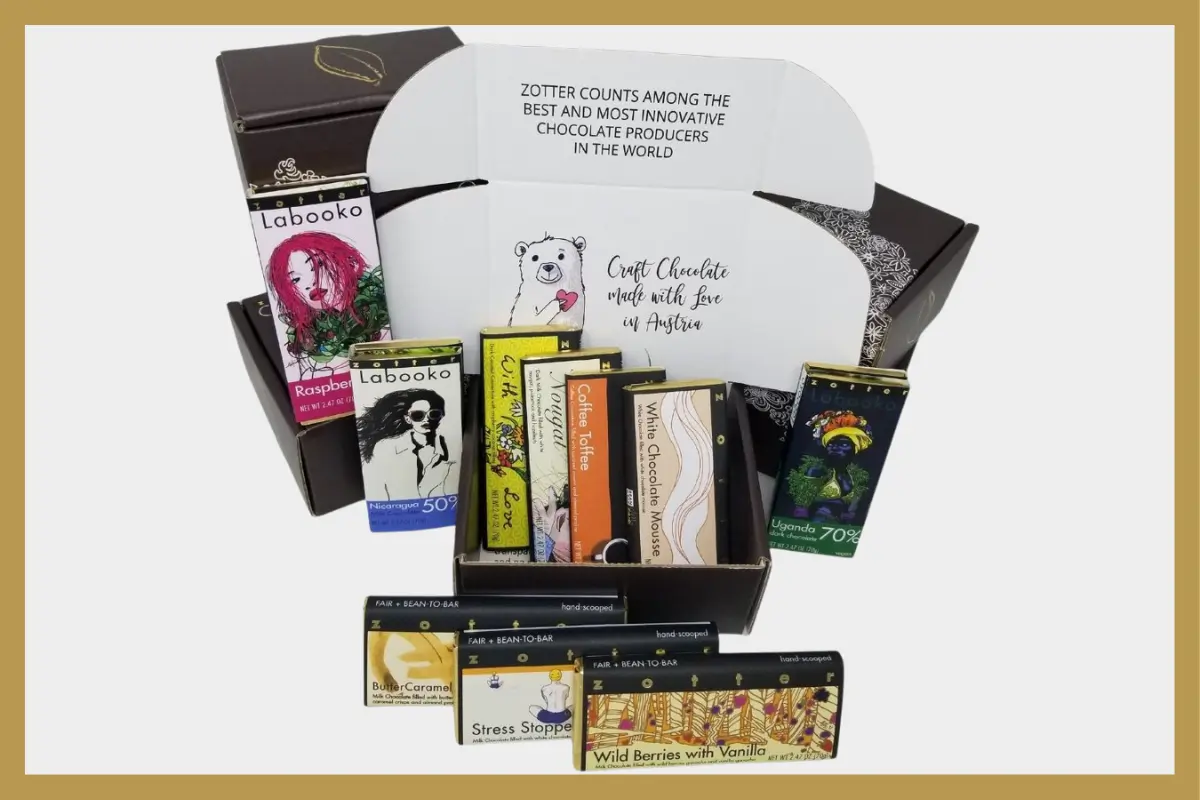
If a brand offers curated sets or discovery packs, that can be the smartest first purchase. They reduce the pressure of choosing a single winner and turn the process into a tasting experience. For a brand with a broad, artisan assortment like Zotter, that kind of guided exploration makes a lot of sense, especially if you are deciding between pure origin bars and more creative flavor-forward options.
Common mistakes when choosing origin chocolate
One common mistake is assuming the most expensive bar will be your favorite. Price can reflect rare cacao, small-batch production, ethical sourcing, or premium packaging, but preference is still personal.
Another is chasing intensity for its own sake. A bar that tastes punishing is not more sophisticated than one that tastes graceful. Origin chocolate should offer character, not just force.
The third mistake is giving up after one bar. If your first single-origin experience feels too acidic, too dry, or too unfamiliar, that does not mean origin chocolate is not for you. It may simply mean that particular origin or style was not your match.
A simple way to build your palate
Taste one square at room temperature and let it melt slowly. Notice the first impression, then the middle, then the finish. Compare bars in small bites, with water in between. If you want to get more precise, jot down a few words. Bright. Nutty. Floral. Creamy. Bitter. Jammy. That is enough.
Over time, patterns emerge. You may find you consistently prefer bars with red-fruit acidity, or bars with softer roasted notes and low bitterness. Once you know that, shopping becomes far more satisfying.
The real charm of origin chocolate is that it turns a simple treat into a more expressive experience without making it feel fussy. Choose with curiosity, read beyond the front label, trust your palate, and let each bar teach you something. The right one will not just taste premium. It will taste unmistakably like a place worth returning to.