
A great chocolate pairing can make one bite taste larger, longer, and more expressive than the ingredient list suggests. That is the real trick behind how to pair chocolate flavors – not piling on more taste, but creating contrast, harmony, and a finish that feels intentional.
If you have ever tasted a dark bar with raspberries that suddenly seemed brighter, or a milk chocolate with hazelnut that felt rounder and more luxurious, you have already experienced the logic of pairing. Chocolate is remarkably versatile, but it is not neutral. Its sweetness, cocoa intensity, acidity, roast notes, and texture all shape what will work with it and what will fight against it.
How to pair chocolate flavors starts with the chocolate itself
Before pairing anything, identify the style of chocolate in front of you. White, milk, and dark do not just differ by cocoa percentage. They behave differently on the palate.
White chocolate is creamy, buttery, and sweet, with no cocoa solids to bring bitterness or tannic structure. It tends to pair beautifully with tart fruits, floral notes, gentle spices, and bright inclusions that keep it from feeling too rich. Think passion fruit, lemon, strawberry, cardamom, or pistachio.
Milk chocolate has more cocoa character than white chocolate, but it still carries caramelized dairy notes and a soft sweetness. It is often the easiest style to pair because it welcomes nuts, coffee, cookie-like flavors, and mellow fruits. Hazelnut, almond, banana, espresso, and toffee all feel at home here.
Dark chocolate is where pairings become more nuanced. A 70% bar with red fruit acidity wants something different from an 85% bar with earthy, roasted depth. In general, darker chocolate loves ingredients with enough personality to stand beside it – cherry, orange, ginger, sea salt, sesame, chile, whiskey notes, and roasted nuts all tend to work. But dark chocolate can easily overpower delicate flavors, so subtle ingredients need careful handling.
Single origin chocolate adds another layer. Some bars lean citrusy and floral, others toward dried fruit, nuts, or spice. When the base chocolate already has distinct character, the best pairing often echoes what is naturally there rather than covering it up.
The simplest rule for how to pair chocolate flavors
Most successful pairings follow one of two paths. They either mirror a flavor already present in the chocolate, or they provide contrast that makes the chocolate more vivid.
Mirroring creates elegance. A naturally nutty chocolate with almond feels seamless. A berry-bright dark chocolate with sour cherry tastes precise and polished. These pairings are often the most refined because nothing feels out of place.
Contrast creates drama. Salt sharpens sweetness. Citrus lifts richness. Heat can make cocoa feel deeper and more lingering. Contrast is exciting, but it requires restraint. Too much acidity, bitterness, or spice can flatten the chocolate instead of revealing it.
If you are choosing between the two, mirroring is usually safer. Contrast can be extraordinary, but it leaves less room for error.
Fruit and chocolate pairing
Fruit is one of chocolate’s most expressive companions, but not every fruit works with every style.
Dark chocolate pairs especially well with red and black fruits because they share intensity. Cherry, raspberry, blackberry, and black currant bring tartness that cuts through cocoa richness without disappearing. Orange is another classic for a reason – its fragrant bitterness and bright acidity meet dark chocolate on equal footing.
Milk chocolate tends to flatter softer, sweeter fruits. Banana, apricot, pear, and even apple can work when the chocolate is not too dark. Strawberry with milk chocolate feels familiar, but a more elegant version often comes from using freeze-dried fruit or fruit preparations with real acidity rather than candy-like sweetness.
White chocolate benefits from fruits that can wake it up. Passion fruit, lemon, yuzu, cranberry, and tart raspberry provide lift. Without that lift, white chocolate can become heavy.
Fresh fruit and dried fruit behave differently. Fresh fruit adds juiciness and acidity, while dried fruit contributes concentration and chew. Dried figs, dates, and apricots can be exceptional with dark chocolate, but they make the overall bite sweeter and denser. That can be luxurious, though it depends on whether you want freshness or richness.
Nuts, seeds, and chocolate
Nuts are a natural match because chocolate already carries roasted notes. The secret is choosing the right level of roast and richness.
Hazelnut with milk or dark chocolate is almost foolproof because the flavors overlap so naturally. Almond is more restrained and can feel cleaner, especially with dark chocolate. Pistachio brings color, a green freshness, and a slightly savory edge that works beautifully with white chocolate and lighter milk chocolate.
Walnut and pecan are more assertive. They can be wonderful, especially in darker or more caramelized chocolate, but they are not subtle. Sesame, pumpkin seed, and sunflower seed also deserve attention. They add savory depth and texture, and they can make a pairing feel more contemporary and less predictable.
Texture matters here as much as flavor. Whole nuts create crunch and contrast. Praline or gianduja-style textures blend into the chocolate and create a smoother, more enveloping effect. Neither is better. One is crisp and vivid, the other is plush and indulgent.
Spices, herbs, and floral notes
Spice can turn chocolate from comforting to unforgettable. The challenge is scale.
Warm spices like cinnamon, cardamom, vanilla, nutmeg, and clove usually work best when they support rather than dominate. Cinnamon can round out dark or milk chocolate. Cardamom adds perfume and freshness, especially with white chocolate or fruit-forward dark chocolate. Vanilla is technically familiar, but in premium chocolate it should enhance aroma, not simply read as sweetness.
Hot spices need more precision. Chile with dark chocolate can be thrilling, but the heat should arrive after the cocoa begins to melt. If spice lands first, it masks the chocolate. Ginger is often easier because it brings both warmth and brightness.
Herbs and florals are more delicate. Mint, basil, lavender, rose, and thyme can all pair beautifully, but only when used with confidence and control. Too much floral character quickly starts to taste soapy or perfumed. A little can make chocolate feel layered and high-end.
Salt, caramel, coffee, and other bold pairings
Some pairings have become classics because they reliably make chocolate more satisfying. Salt is the obvious example. It does not just make chocolate taste sweeter. It sharpens edges, amplifies aroma, and keeps richness in check. With dark chocolate, salt can make cocoa feel more complex. With caramel or milk chocolate, it keeps sweetness from becoming flat.
Coffee works because it shares roasted bitterness with chocolate, but the two can also intensify each other too much. That is why balance matters. A mellow espresso note in milk chocolate can feel velvety and elegant. A very dark chocolate with aggressive coffee can become austere.
Caramel, toffee, cookie, and biscuit notes are less risky because they bridge sweetness and roast. They are especially effective in filled bars and layered confections where you want comfort with a premium finish.
Pair by intensity, not just category
One reason pairings fail is that people match by ingredient family instead of strength. A delicate pear note may vanish in an 80% dark bar. A strong smoked salt or heavy clove can bulldoze a gentle milk chocolate.
Think in terms of intensity. Light pair with light, bold with bold. If the chocolate is refined and nuanced, the pairing should leave space. If the chocolate is deep and dramatic, the pairing needs enough presence to register.
This is also why percentage alone is not enough. Two 70% bars can taste completely different depending on origin, roast, sugar level, and conching. Trust the palate more than the label.
How to pair chocolate flavors for gifting and entertaining
When you are choosing chocolate for guests or as a gift, variety matters as much as precision. A lineup that moves from creamy and familiar to darker and more adventurous usually feels generous and well considered.
Start with a comforting anchor, such as milk chocolate with nut or caramel notes. Add something fruit-forward for brightness, something spice-driven or slightly savory for intrigue, and one bar that feels genuinely unexpected. That progression gives people a sense of discovery without pushing too far too fast.
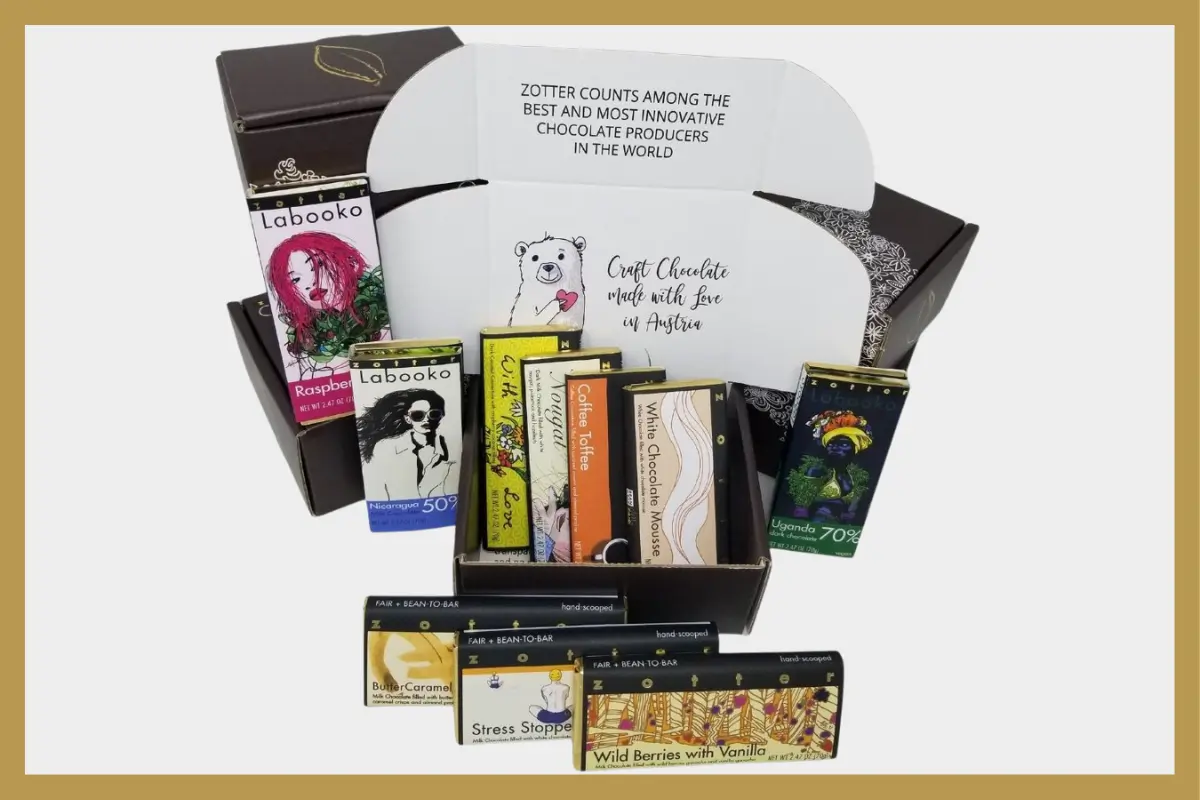
For entertaining, contrast textures and moods. A silky filled chocolate, a crisp nut-studded bar, and a pure origin dark chocolate create a tasting that feels curated rather than repetitive. This is where an adventurous artisan maker like Zotter can be especially compelling – not because more flavors are always better, but because unusual combinations can still feel disciplined when the craftsmanship is there.
The best way to practice pairing
Taste slowly. Let the chocolate melt before deciding what it needs. Ask whether it feels bright or heavy, sweet or dry, simple or layered. Then choose a pairing that either supports what is already there or corrects what feels excessive.
If a chocolate seems too sweet, reach for salt, tart fruit, or toasted nuts. If it feels too intense, try creamier or rounder companions like praline, vanilla, or soft caramel notes. If it tastes flat, add contrast – citrus, spice, or crunch can bring it back to life.
The best pairings do not feel clever for the sake of being clever. They feel complete. Once you understand that, learning how to pair chocolate flavors becomes less about rules and more about preference, balance, and the pleasure of finding one combination you want to taste again before the last bite is gone.