
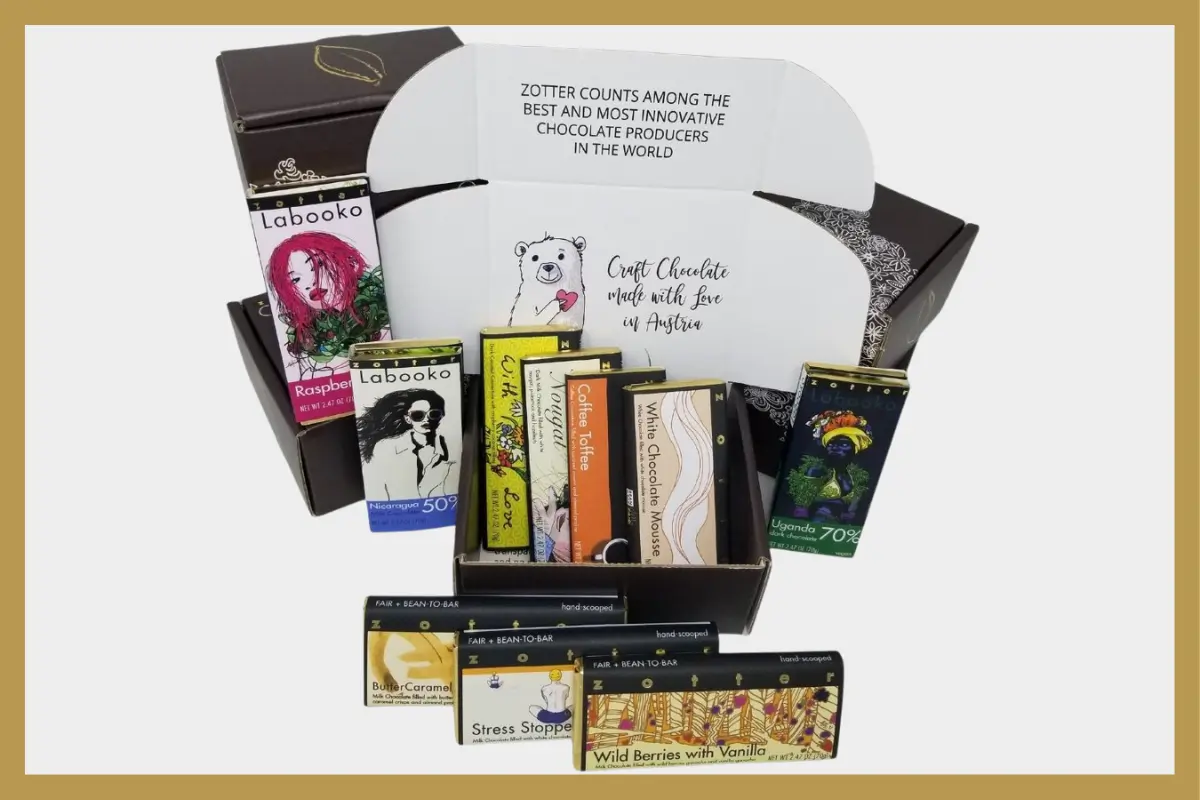
The problem with most sugar free gourmet chocolate is not the lack of sugar. It is the lack of ambition. Too often, “sugar free” gets translated into thin flavor, chalky texture, or a one-note sweetness that smothers the cacao instead of letting it speak. For chocolate lovers with a discerning palate, that is not a compromise worth making.
Great chocolate should still feel like a discovery, whether it is a dark bar with layered origin character or a filled piece with a carefully balanced center. When sugar is reduced or removed, the standard actually rises. Every ingredient becomes more visible. Every texture choice matters more. And every shortcut shows.
What makes sugar free gourmet chocolate truly gourmet
A premium bar does not become gourmet just because it swaps sugar for a sweetener. The difference starts much earlier, with the cocoa itself. High-end chocolate depends on quality beans, careful roasting, thoughtful conching, and a recipe built for depth rather than mass appeal. If the cacao lacks complexity, no formulation trick will fix it.
This is especially true in sugar-free chocolate, where there is less room to hide. Sugar usually rounds off rough edges and softens bitterness. Without it, the maker has to know exactly how to shape the flavor profile. A well-crafted sugar-free bar can taste bold, elegant, even surprisingly creamy, but only if the chocolate is made with real precision.
Texture is the second test. Gourmet chocolate should melt cleanly and slowly, not crumble, wax up, or leave a cooling aftereffect that lingers longer than the cocoa. Some sugar substitutes can create that sensation, especially when used heavily. The best makers know how to balance sweetness without sacrificing mouthfeel.
Then there is the finish. Fine chocolate has an arc. It opens, develops, and leaves a lasting impression. In poor sugar-free bars, the finish is often dominated by sweetener. In excellent ones, cacao remains the final word.
Why so many sugar-free bars disappoint
Most disappointing sugar-free chocolate is built backward. Instead of beginning with flavor and craftsmanship, it starts with a dietary claim and then tries to force the chocolate to fit. That approach tends to produce bars that feel more functional than pleasurable.
The sweetener choice is often the turning point. Stevia can be useful in small amounts, but too much can taste sharp or herbal. Erythritol may offer sweetness with low impact, yet it can also create a cool sensation that feels out of place in rich chocolate. Monk fruit can work beautifully, though it depends on dosage and blending. There is no universal winner. It depends on the style of chocolate, the cacao percentage, and what kind of experience the maker wants the bar to deliver.
Fat composition matters too. Some bars compensate for sweetness challenges by leaning on fillers or lower-grade fats, which dulls the snap and weakens the melt. Others overcorrect with intense cocoa percentages that read as harsh rather than refined. The result is a product that may check a box, but rarely earns a second purchase.
That is where artisan chocolate has a real advantage. Bean-to-bar makers and premium chocolate houses tend to approach formulation with more care. They are already tuned into roast curves, origin character, texture, and flavor layering. In sugar-free formats, that craftsmanship becomes even more valuable.
How to choose sugar free gourmet chocolate with confidence
If you want a bar that tastes luxurious rather than merely acceptable, start by looking beyond the front label. “Sugar free” tells you one thing. It does not tell you whether the chocolate is any good.
First, check the cocoa credentials. Organic sourcing, fair trade standards, and bean-to-bar production are not just ethical talking points. They often signal a maker who cares about raw material quality. Better cacao gives the chocolate a stronger foundation, which is essential when sweetness is dialed back.
Next, consider the style of product. A plain dark bar reveals everything. If you want to judge a chocolatier’s quality, start there. Filled bars and flavored creations can also be excellent, but they rely on balance from multiple components. In sugar-free chocolate, that balance has to be exceptionally well managed.
Look at the ingredient list with a practical eye. Shorter is not always better, but clarity matters. You want recognizable ingredients and a sweetening strategy that feels intentional. If a bar includes several sweeteners, fibers, stabilizers, and flavor masking agents, there is a fair chance the eating experience will feel engineered rather than elegant.
Finally, think about your own palate. Some people prefer a clean, dark, cocoa-forward profile with only a whisper of sweetness. Others want sugar-free chocolate that still feels lush and dessert-like. Neither preference is wrong. The point is to choose a bar that knows what it is trying to be.
The role of origin, roast, and craftsmanship
One of the biggest misconceptions around sugar-free chocolate is that all the nuance comes from what is left out. In reality, much of the nuance comes from what is preserved. Cocoa from different regions can taste fruity, earthy, nutty, floral, or gently spiced. A skilled roast can highlight those notes without burning them away.
That matters even more in sugar free gourmet chocolate because there is less sweetness smoothing the edges. A beautifully made origin chocolate can taste vivid and polished, with natural character that keeps the palate engaged. A mediocre one can feel austere in a hurry.
Craftsmanship also shows up in conching and particle size. Fine chocolate should feel silky, not gritty. It should have presence, not heaviness. These are subtle qualities, but they are exactly what separate luxury chocolate from candy aisle substitutes.
For shoppers who already appreciate premium food, this is the real appeal. Sugar-free does not have to mean stripped down or joyless. It can still be expressive, high-end, and gift-worthy when the maker treats chocolate as a craft rather than a vehicle for a claim.
Is sugar-free chocolate always the better choice?
Not necessarily. That depends on why you are buying it and what you value most. For some people, avoiding added sugar is a clear priority, whether for lifestyle, dietary, or personal wellness reasons. For others, the ideal chocolate experience may come from a small portion of a traditionally sweetened artisan bar made with exceptional ingredients.
This is where honesty matters. Sugar-free chocolate is not automatically more virtuous, and it is not automatically more delicious. Sweeteners have their own taste signatures. Some people enjoy them. Some do not. The best approach is not ideological. It is sensory.
If you love dark chocolate with strong cacao character, a premium sugar-free bar may feel like a natural fit. If you prefer milk chocolate softness or elaborate filled confections, the field gets narrower, and quality differences become even more obvious. That does not mean you should settle. It simply means choosing carefully.
When sugar free gourmet chocolate feels luxurious
Luxury in chocolate is not about excess sweetness. It is about composition, confidence, and surprise. A truly premium sugar-free bar can offer all three. It can open with a crisp snap, melt into notes of roasted nuts, red fruit, or espresso, and finish with elegance instead of artificiality.
This is also where a maker’s creative instincts matter. The most exciting premium chocolate brands do not treat specialty formats as an afterthought. They bring the same seriousness to dietary preferences that they bring to origin bars, seasonal collections, and adventurous flavor work. That is the difference between a concession and a creation.
For shoppers who want both pleasure and discernment, that shift is meaningful. It says you do not have to choose between craftsmanship and a sugar-free preference. You can expect more.
A brand like Zotter has long shown that chocolate can be ethically sourced, artistically made, and delightfully unconventional at the same time. That same philosophy is exactly what the sugar-free category needs more of – not less indulgence, but better chocolate.
A better standard for sugar-free chocolate
If a chocolate calls itself gourmet, it should earn the word in the tasting, not just on the packaging. Sugar-free bars deserve the same scrutiny as any premium confection: depth of flavor, clean texture, thoughtful ingredients, and genuine craft.
The good news is that the category has grown up. There are more makers taking flavor seriously, more shoppers reading beyond claims, and more room for chocolate that feels sophisticated rather than compromised. Once you have tasted a sugar-free bar that is truly well made, the flat, overly sweet alternatives become much easier to leave behind.
The best place to begin is simple: choose chocolate that respects your palate as much as your preferences.