
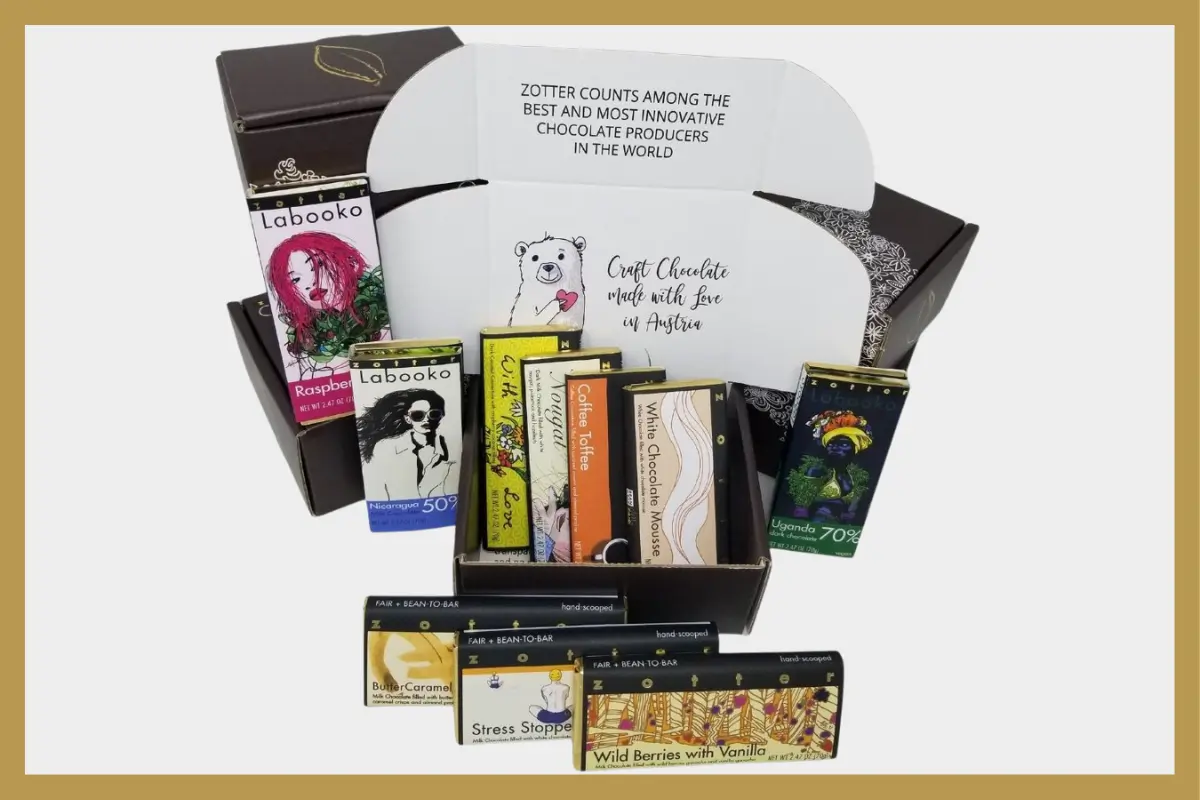
One bite of Austrian chocolate can move from silky hazelnut praline to tart berry, deep espresso, floral cacao, or a whisper of alpine spice. That range is exactly why an Austrian chocolate flavor guide matters. If you are shopping for premium bars and want more than sweet-or-dark as your choices, Austrian chocolate offers a more expressive, more crafted experience.
Austria has long treated confectionery as part of a broader food culture shaped by pastry tradition, café ritual, and careful craftsmanship. In chocolate, that often translates into refinement rather than blunt sweetness. You will still find comfort and creaminess, but the best Austrian makers also lean into contrast – bitter and bright, smooth and crunchy, classic and unexpectedly bold.
What makes Austrian chocolate flavors distinct?
Austrian chocolate is not one single flavor style. That is the first useful thing to know. Some bars are rooted in classic Central European profiles like nougat, marzipan, coffee, vanilla, and layered cream fillings. Others move in a more modern artisan direction, focusing on single-origin cacao, fruit acidity, savory accents, and playful combinations that would feel out of place in mass-market candy.
What often sets it apart is balance. Even adventurous bars tend to be composed rather than chaotic. Sweetness is usually there to support flavor, not bury it. Texture matters, too. Crisp praline, soft ganache, melt-in-the-mouth nougat, and hand-filled layers create a tasting experience that feels closer to pâtisserie than to standard snack chocolate.
For US shoppers, that difference is worth paying attention to. If your reference point is supermarket chocolate, Austrian bars can taste more precise, more aromatic, and sometimes less aggressively sugary. That does not automatically make them better for every palate. Some people want familiar sweetness. Others want cocoa complexity or unusual fillings. Austrian chocolate shines because it can do both, often in the same collection.
An Austrian chocolate flavor guide to the main profiles
The easiest way to navigate Austrian chocolate is by flavor family. Once you know which camp you enjoy most, choosing bars becomes much more intuitive.
Nut-forward and praline-rich
This is one of the most recognizable Austrian profiles. Think hazelnut, almond, pistachio, walnut, and gianduja-style richness. These bars often feel round, creamy, and deeply satisfying, with roasted notes that soften bitterness and add warmth.
Hazelnut is usually the gateway. It pairs beautifully with milk chocolate, but it can be stunning in dark chocolate as well, especially when the roast is pronounced. Almond and pistachio tend to feel a bit cleaner and more delicate. Walnut brings a slightly tannic edge, which can make a bar taste more grown-up.
If you like truffles, pralines, or nut-based desserts, start here. The trade-off is that nut-rich bars are often less about cacao nuance and more about texture and fullness. That is not a flaw. It is simply a different pleasure.
Fruit, citrus, and berry
Fruit in Austrian chocolate can go in two directions. One is bright and elegant – raspberry, orange, lemon, sour cherry, apricot, or currant adding lift and acidity. The other is richer and more dessert-like, where fruit behaves like jam, compote, or liqueur filling.
The best fruit bars avoid tasting candy-like. Instead, they use acidity to sharpen the chocolate and create contrast. Dark chocolate with raspberry or sour cherry can feel especially vivid. Milk chocolate with orange or apricot often lands softer and more nostalgic.
These bars are ideal if you find some chocolates too heavy. They bring freshness. But they also vary widely. A citrus note can be zippy and clean in one bar, candied and sweet in another. Reading the flavor intention matters.
Coffee, caramel, and toasted notes
For many adults, this is where chocolate becomes irresistible. Espresso, café au lait, caramel, malt, brown butter, biscuit, and toasted sugar notes create a flavor profile that feels both sophisticated and cozy.
Coffee-forward chocolate tends to emphasize bitterness in a good way. It can frame the cocoa and make a dark bar feel even more layered. Caramel, by contrast, smooths edges and adds a lingering warmth. When combined, the result is often plush and dessert-like without becoming flat.
If you enjoy pastries, tiramisu, or roasted flavors, this family is a smart bet. Just know that some bars lean sweet and buttery while others push into intense roast. It depends on whether the maker wants comfort or contrast.
Floral, spice, and herbal accents
This is where Austrian chocolate gets especially interesting. Rose, lavender, vanilla, cinnamon, cardamom, chili, mint, tea, and herbs can all appear in artisan bars. Used well, these notes feel elegant and layered. Used poorly, they can overwhelm the cacao.
The best versions are restrained. Floral notes should perfume the chocolate, not taste like soap. Spices should add structure and warmth, not just heat. Herbal flavors can create a fascinating savory edge that appeals to adventurous palates.
This category is not always a first purchase for everyone, but it is often where memorable gifts come from. It feels distinctive. It also reflects a more artisan mindset – chocolate as a medium for composition rather than a simple sweet.
Pure cacao and single-origin profiles
If fillings and mix-ins are not the point for you, pure chocolate bars deserve attention. In this part of any Austrian chocolate flavor guide, origin matters. Cacao from different regions can express notes of red fruit, nuts, citrus, earth, honey, spice, or deep fudge.
A lower-percentage dark bar may taste softer and more rounded. A higher-percentage bar can reveal striking clarity, but it may also read as more bitter if your palate is used to sweeter chocolate. Neither is more correct. The better question is what kind of intensity you enjoy.
Bean-to-bar makers are especially compelling here because they preserve more of the character of the cacao itself. Brands such as Zotter have helped American shoppers see Austrian chocolate not just as confectionery, but as a serious tasting category.
How to choose the right Austrian chocolate for your palate
Start with how you usually describe your favorite desserts. If you love brownies, espresso drinks, and toasted nuts, go toward dark, roasted, praline, or coffee-led bars. If you prefer fruit tarts, yogurt, or jammy pastries, berry and citrus combinations will likely feel more natural. If you want pure luxury, creamy filled bars with nougat, caramel, or marzipan are often the easiest win.
Cocoa percentage helps, but not in the way many shoppers assume. A 70% bar is not automatically better, more premium, or more intense than a 60% bar. The roast, origin, sugar level, and added ingredients all shape the result. A well-made 50% milk chocolate can taste more complex than a poorly made 75% dark bar.
Texture is another useful filter. Some people chase snap and clean melt. Others want layers, crunch, cream, or a dramatic filling. Austrian chocolate often excels at textural contrast, so it is worth deciding whether you want a tasting bar or a more confection-like experience.
Why ethical sourcing changes the flavor conversation
Premium chocolate is not only about taste, but taste is where ethics become tangible. Better cacao sourcing often leads to better raw material, and better raw material gives makers more to work with. Organic and fair trade standards do not guarantee a great bar on their own, but they can support a supply chain where flavor quality and producer relationships are taken more seriously.
For shoppers in the US premium market, that matters. You are not just buying sweetness wrapped in pretty paper. You are choosing a food product shaped by farming, fermentation, roasting, and recipe decisions. When a chocolate brand treats sourcing with care, flavor usually gains depth and integrity.
A smarter way to taste Austrian chocolate
Do not rush it. Let the chocolate come to room temperature. Break off a small piece and notice the aroma before it melts. Is it nutty, fruity, creamy, or spicy? Then pay attention to how the flavor changes. Good chocolate rarely stays static. It opens in stages.
If you are new to artisan bars, compare two or three styles side by side rather than trying ten at once. A nut praline next to a single-origin dark bar tells you more than a giant tasting spread that blurs together. Discovery works best when your palate has a little space.
And if you are buying for someone else, lean into personality. Austrian chocolate makes a strong gift because it can be expressive. Choose familiar comfort for a classic palate, or something surprising for a recipient who loves food with a point of view.
The pleasure of Austrian chocolate is that it gives you room to be both indulgent and curious. Start with the flavor family that sounds most like you, then stretch one step beyond it. That is usually where the most memorable bar is waiting.