
Some chocolate looks premium because the wrapper says the right things. Some actually earns it the moment it snaps cleanly, melts slowly, and leaves behind flavor that keeps changing. If you are searching for the best organic chocolate brands, that distinction matters. Organic is a meaningful starting point, but it is not the whole story. The best bars pair clean ingredients with skilled roasting, thoughtful sourcing, balanced sweetness, and the kind of texture that makes one square feel complete.
For shoppers who care about craftsmanship, gifting, and values in equal measure, the field is more interesting than ever. Organic chocolate now spans minimalist dark bars, adventurous filled creations, vegan selections, and origin-specific collections with real personality. The challenge is not finding organic chocolate. It is finding organic chocolate worth coming back to.
What makes the best organic chocolate brands stand out
The strongest brands do more than swap conventional cocoa for certified organic ingredients. They treat chocolate as a crafted food, not just a sweet. That starts with cocoa quality, but it also shows up in how restrained or expressive a maker chooses to be.
A great organic bar usually has a short ingredient list, though short does not automatically mean superior. Some of the most memorable chocolate comes from filled bars, spice combinations, fruit inclusions, or layered textures. What separates premium makers from forgettable ones is control. Flavors should feel intentional. Sweetness should support the cocoa, not flatten it.
Texture is another quiet clue. Organic chocolate can still be chalky, waxy, or overly sugary if the maker cuts corners. The best brands produce bars with a polished melt and a finish that feels clean. That is especially important in high-cacao bars, where bitterness can either taste elegant or simply harsh.
Ethics matter too, but this is where nuance helps. Organic certification tells you something important about agricultural standards. Fair trade or direct trade tells you something else about sourcing relationships and compensation. Bean-to-bar production speaks to maker control. None of these terms are interchangeable, and the best brands tend to be transparent about what they do and what they do not claim.
Best organic chocolate brands to know
There is no single perfect brand for every palate, because the right choice depends on whether you want everyday dark chocolate, gift-worthy variety, vegan options, or true tasting-bar depth. Still, a handful of names consistently stand out for quality, integrity, and flavor.
Alter Eco is often a strong entry point for shoppers who want reliable organic chocolate that is easy to find. The bars are approachable, polished, and generally priced for repeat buying rather than special-occasion splurging. If your priority is a clean ingredient list and broad availability, it is a practical place to start.
Theo built its reputation on organic and fair trade chocolate with a style that feels accessible but quality-driven. Its lineup tends to appeal to shoppers who want familiar flavors done well, without drifting into mass-market sameness. The best part of a brand like Theo is that it lowers the barrier to better chocolate.
Hu has a devoted following for a reason. The brand leans heavily into simple ingredients, dietary-conscious formulations, and a modern wellness-minded aesthetic. Some buyers love that restraint. Others may find certain bars a little too centered on what is omitted rather than what is built. Still, if ingredient purity is high on your list, Hu belongs in the conversation.
Taza offers something very different. Its stone-ground style is intentionally rustic, with more texture and a bolder, less refined mouthfeel than classic European-style bars. That makes it distinctive, not universally loved. If you like your chocolate smooth and silky, Taza may feel too rugged. If you want character and intensity, it can be a thrill.
Equal Exchange deserves attention for shoppers who care deeply about mission-driven sourcing. The flavor profile is often straightforward rather than flamboyant, but that simplicity has its own appeal. It is a dependable choice for buyers who want ethics and everyday usability to coexist.
Endangered Species has long appealed to consumers who want organic options with a broader retail footprint. The bars often feature accessible flavor combinations and recognizable formats. It may not always satisfy the most exacting bean-to-bar purist, but it remains a solid option for mainstream premium shopping.
Lily’s enters the mix from a different angle, especially for shoppers looking for lower-sugar or stevia-sweetened choices. Whether it belongs among the best depends on your priorities. For some, sugar alternatives are a major advantage. For others, they alter the finish too noticeably. It is a classic case of preference over purity.
Green & Black’s helped introduce many American shoppers to organic chocolate in the first place. Its bars still hold appeal, especially for people who want recognizable flavor profiles with a more elevated edge than standard grocery-store chocolate. It may feel less niche than newer artisan brands, but that broad appeal is part of its staying power.
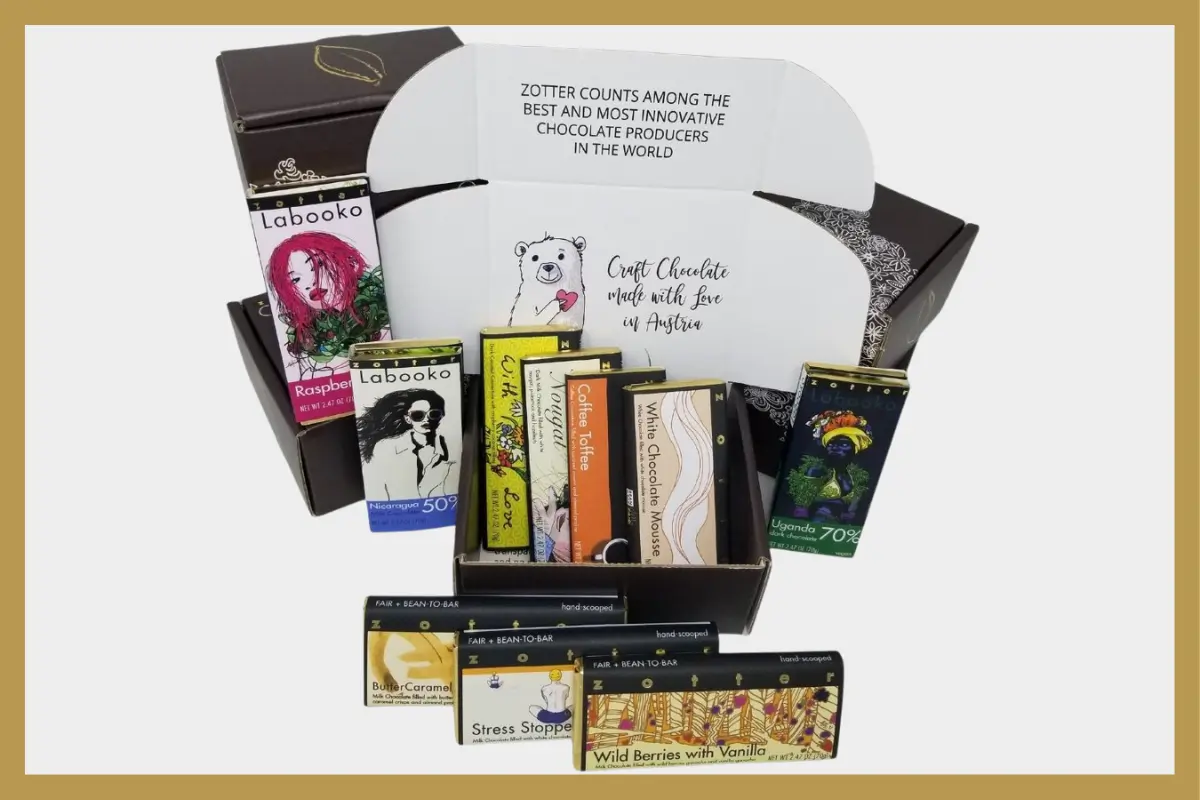
For those who want organic chocolate to feel genuinely transportive, artisan makers are often the most rewarding. This is where origin expression, inventive fillings, and small-batch methods can make a bar feel closer to a tasting experience than a snack. Zotter is one example of a maker that brings together organic and fair trade sourcing with bean-to-bar craft and a notably expansive flavor imagination. For curious chocolate lovers, that combination can be far more memorable than another plain dark square.
How to choose among the best organic chocolate brands
Start with the kind of chocolate you actually enjoy, not the kind you think you should buy. If you prefer creamy, mellow milk chocolate, there is no prize for forcing yourself into an 85% bar with austere tasting notes. Likewise, if you love origin-specific dark chocolate, a sugar-forward confection may never feel satisfying, no matter how premium the packaging looks.
Think about format next. Some brands excel at pure bars that highlight terroir and cacao percentage. Others shine in filled bars, truffles, nut combinations, or seasonal assortments. If you are shopping for gifts, variety and presentation matter more than they do for your own pantry stash. A beautifully curated mixed selection often makes a stronger impression than a single technically excellent bar.
Dietary needs can narrow the field in useful ways. Organic does not automatically mean vegan, dairy-free, soy-free, or low sugar. Premium brands are getting better at offering these options without sacrificing texture, but results vary. Vegan chocolate, for instance, can be exceptionally rich when made well, though some bars still miss the creaminess buyers expect.
Price is worth considering honestly. Organic chocolate usually costs more because the ingredients and production standards are higher. That said, expensive does not always mean exceptional. Some brands charge luxury prices for a story and a wrapper. Others justify the premium through flavor complexity, sourcing transparency, and consistency. If a bar costs significantly more, it should deliver more than virtue.
Organic, fair trade, and bean-to-bar are not the same thing
One reason this category gets confusing is that shoppers often treat three different ideas as one. Organic refers to how ingredients are grown and processed under certification standards. Fair trade refers to social and economic standards in the supply chain. Bean-to-bar means the maker controls production from cocoa bean to finished chocolate.
The best organic chocolate brands often combine at least two of these commitments, and sometimes all three. But not always. You can buy organic chocolate that is not bean-to-bar. You can buy bean-to-bar chocolate that is not certified organic. You can buy ethically sourced chocolate that uses a different framework than fair trade certification. None of this is automatically bad. It simply means you should read beyond the front label.
For many premium shoppers, the sweet spot is a brand that offers strong flavor, organic ingredients, and clear sourcing standards without sounding performative about any of it. Confidence reads differently when it is backed by product quality.
When a famous brand is not the best fit
A well-known name can be reassuring, especially if you are picking up chocolate at a grocery store or buying a quick gift. But fame can flatten distinction. Larger brands sometimes optimize for consistency and shelf appeal, which can make the chocolate feel less vivid than bars from smaller artisan makers.
That does not mean niche is always better. Small brands can be brilliant, but they can also be inconsistent, too experimental, or simply hard to source when you need them. It depends on the moment. For a dinner-party gift, a bold artisan assortment might be perfect. For a weekday treat you want to reorder easily, a more established organic brand may win.
A better way to shop for organic chocolate
Instead of asking which single brand is best, ask what kind of experience you want. Do you want a clean, everyday dark bar? A tasting bar with real origin character? A vegan option that still feels luxurious? A playful gift box that makes someone stop and smile before they even open it?
That question leads to better chocolate. The best organic chocolate brands are not just cleaner or more ethical than the alternatives. At their best, they are more expressive, more carefully made, and much more satisfying to eat. Choose the brand that matches your taste, your standards, and your reason for buying, and the difference will be obvious from the first square to the last.