
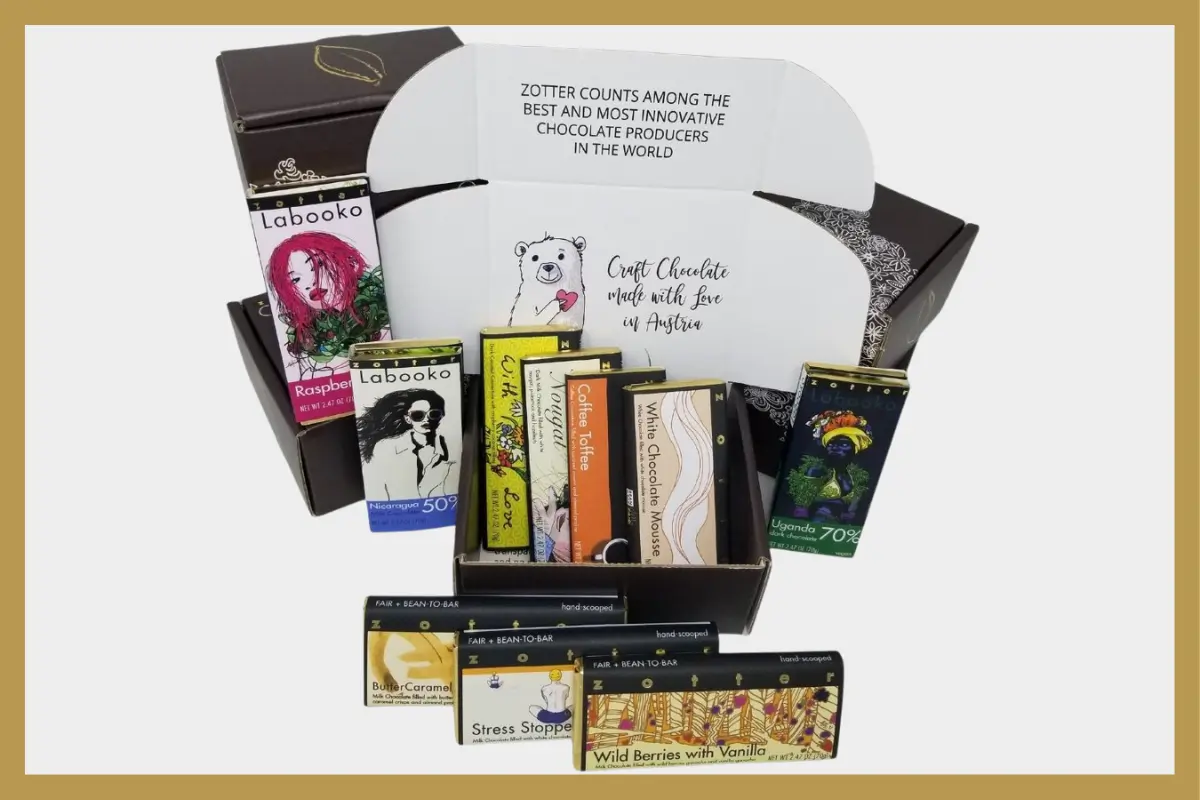
A hand-scooped bar arriving with softened edges is disappointing, especially when you chose it for an exquisite filling, a particular cacao origin, or a memorable gift. So, can chocolate melt in transit? Yes – but melting is not inevitable, and the actual risk depends on the chocolate itself, the weather between the warehouse and your door, and how long the package waits outdoors.
Chocolate is wonderfully sensitive by design. The cocoa butter that gives a fine bar its clean snap and silky melt-in-your-mouth texture also responds quickly to heat. That is part of the pleasure. It is also why thoughtful shipping matters when summer temperatures rise or a delivery route crosses a heat wave.
Can chocolate melt in transit during shipping?
Most chocolate starts to soften around 80°F and can melt more fully as temperatures approach the high 80s and 90s. Exact behavior varies. A dark chocolate bar with a high cacao percentage generally holds its shape longer than a creamy milk chocolate or a filled bar, while delicate praline, nougat, and ganache centers can become soft sooner.
Transit does not mean a package stays at one steady temperature. A box may travel in climate-controlled facilities, then spend time in a warm delivery vehicle, a sunny mailroom, or on a front step. The last few miles are often the most consequential. A brief period in a hot truck may soften chocolate; several hours in direct afternoon sun can do considerably more.
That distinction matters because softened chocolate is not always ruined chocolate. If a bar becomes warm but remains sealed and is cooled carefully, it may still taste excellent. It may, however, lose some of the polished appearance and crisp texture intended by the chocolatier. Filled bars deserve extra care because their textures are part of the experience: a bright fruit layer, a tender nut filling, or a liquid caramel center should arrive as composed as possible.
What heat can do to artisan chocolate
When chocolate truly melts, cocoa butter crystals lose the stable structure created during tempering. Tempering is the precise craft that gives a finished bar its gloss, snap, and satisfying melt. Once a bar liquefies and sets again without controlled tempering, it can look dull or streaky and break less cleanly.
You may also see chocolate bloom. Fat bloom can appear as pale gray swirls or a whitish film after cocoa butter migrates and recrystallizes. Sugar bloom looks rougher and can happen when moisture dissolves surface sugar and later evaporates. Neither necessarily makes chocolate unsafe to eat, but both can affect texture and appearance.
Premium chocolate makes this especially noticeable. Fine cocoa, real fruit, roasted nuts, delicate spices, and hand-crafted layers offer distinct aromas and textures. Heat will not erase every flavor, but it can blur the carefully designed contrast between a crisp shell and a soft filling. For a gift-worthy bar, presentation is part of the pleasure, not an afterthought.
The factors that change your risk
The forecast in your hometown matters, but it is only one part of the picture. Chocolate may ship from a mild climate and travel through a very hot distribution hub. It may also arrive safely in a warm region if the route is fast, the packaging is protective, and someone receives it promptly.
The key variables work together:
- Chocolate style: Dark bars tend to be more heat-tolerant than milk, white, or generously filled chocolates. Vegan chocolate is not automatically more heat-resistant; its behavior depends on its particular recipe and fats.
- Outside temperature: Sustained heat above about 80°F raises the likelihood of softening. Intense sun and hot vehicles can create temperatures far above the reported air temperature.
- Transit speed: The fewer days a package spends moving and waiting, the less opportunity heat has to build up.
- Packaging: Insulated materials and cold packs can create a valuable buffer, but they are temporary tools, not miniature refrigerators.
- Delivery conditions: An attended home, shaded entry, office reception desk, or package locker can make a meaningful difference.
Humidity is worth considering, too. Heat is the primary melting concern, but moisture can contribute to bloom and damage paper packaging. A box caught in summer rain or left in a damp area deserves prompt attention even if the chocolate itself feels cool.
How to order chocolate confidently in warm weather
A little planning protects the moment you have been looking forward to. Before ordering, check the delivery estimate and the temperatures expected not just on delivery day, but during the broader shipping window. If a stretch of extreme heat is forecast, waiting a few days may be wiser than hoping a cold pack outlasts a long weekend.
Choose a delivery destination where someone can bring the package inside quickly. A workplace, concierge desk, trusted neighbor, or home where you will be present is often a better choice than an unattended porch. If you have the option, avoid dates that place a package in a carrier network over a weekend or holiday.
For gifts, give yourself a cushion. Sending chocolate at the very last minute leaves little room for a weather delay, an attempted delivery, or a recipient who is away for the day. A premium chocolate gift should feel generous and effortless when it is opened, not like a race against the afternoon sun.
It also helps to think about what you are ordering. A pure dark chocolate collection can be a more forgiving choice during a hot spell than an assortment built around soft cream fillings. That does not mean you must skip the adventurous flavors. It simply means choosing a faster delivery window and a reliable receiving location becomes more valuable when the selection is especially delicate.
What to do when your chocolate arrives warm
Bring the package inside immediately and open it in a cool indoor space. If the bars are only slightly soft, let them rest at room temperature for a short time, away from sunlight and heat. Chocolate is happiest around 60°F to 70°F, in a dry, odor-free cabinet or pantry.
If the chocolate is noticeably soft, place it in the refrigerator while still protected by its packaging or inside an airtight container. Let it cool gradually until firm. Do not put it in the freezer unless you have no other practical option: rapid freezing and thawing can introduce condensation, which can lead to sugar bloom.
When refrigerating, give the chocolate time to return toward room temperature before unwrapping and tasting it. Condensation is more likely to form on a cold bar exposed to warm, humid air. Keeping it wrapped as it warms helps protect the surface. The flavor will also be more expressive once the chocolate is no longer refrigerator-cold; cocoa butter, nuts, fruit, and spice all reveal more character at a moderate temperature.
If a filled bar has leaked, the wrapper is damaged, or the contents have been exposed to heat for an extended period, document the condition with a few clear photos before disposing of packaging. For a premium order, it is reasonable to contact customer support promptly with the order details. A quality-focused chocolate maker wants the arrival to match the care that went into crafting the bar.
Smart storage after delivery
The refrigerator is useful during a heat wave, but it is not the ideal everyday home for chocolate. Refrigerators can be humid and carry strong aromas from other foods. If your kitchen stays cool, a dark cabinet away from the oven, dishwasher, and sunny window is preferable.
If refrigeration is necessary, use an airtight container and keep chocolate away from onions, cheese, coffee, and anything intensely aromatic. Once the weather calms, let the container come closer to room temperature before opening it. This small habit protects both the finish and the flavor.
Zotter’s expansive world of organic, fair trade, bean-to-bar creations is made for slow discovery – from bold origin chocolate to unexpected filled bars. Treating each delivery with the same attention given to its ingredients and craftsmanship helps preserve that first, memorable bite.
Chocolate can travel beautifully, even in summer, when timing, packaging, and receiving plans work together. Choose a cool place for it to land, bring it inside promptly, and let the bar settle before you taste it. The reward is exactly what artisan chocolate promises: a small, luxurious adventure that arrives ready to be enjoyed.