
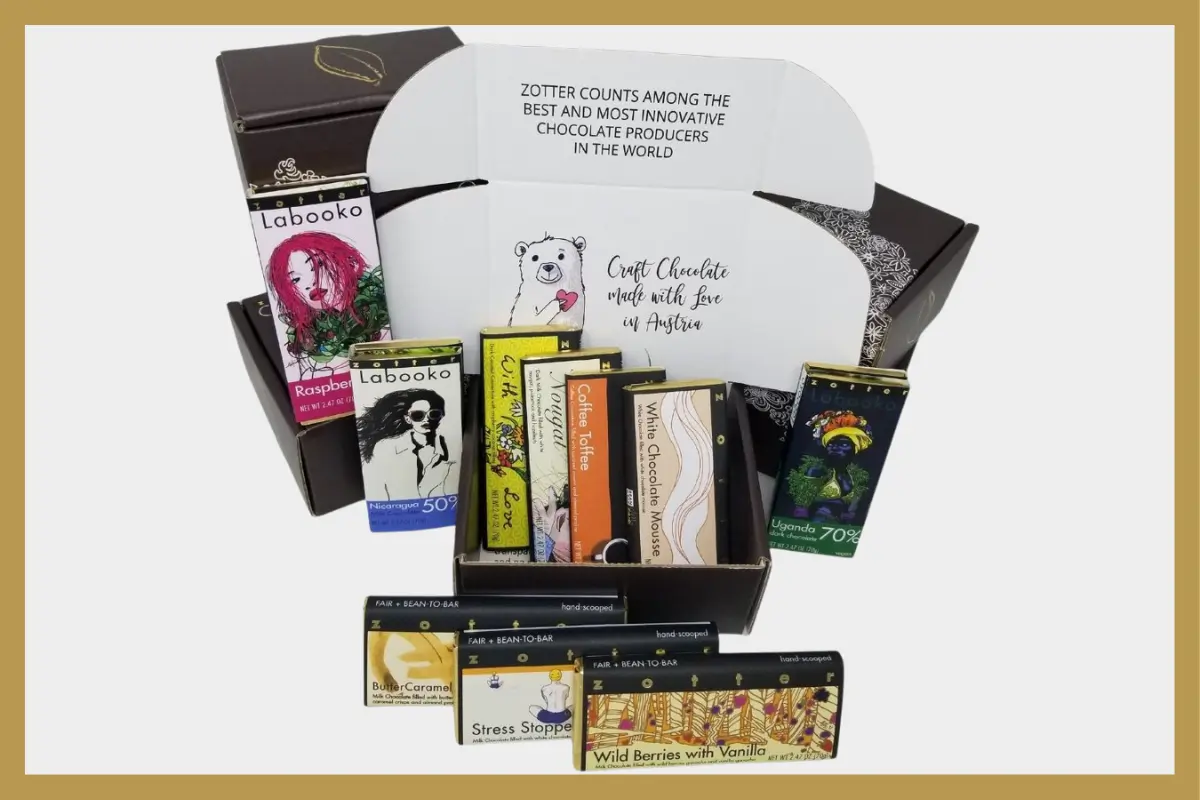

A beautifully hand-scooped bar deserves better than a pale, dusty finish before its first square is savored. To prevent chocolate bloom, think less about hiding chocolate away and more about protecting its finely balanced structure from heat, humidity, and abrupt temperature swings.
Bloom can make an exquisite bar look less pristine, especially when it is meant for a gift box, dinner-party dessert board, or a private moment of serious indulgence. The reassuring news: bloom is usually a quality-of-appearance issue, not a safety issue. Chocolate that has bloomed is generally still perfectly enjoyable, provided it has been stored cleanly and remains within its best-by date. Its texture, snap, and visual polish may simply be less spectacular.
What Chocolate Bloom Actually Is
Chocolate bloom appears in two distinct forms, and the difference matters when you are trying to protect premium chocolate.
Fat bloom is the more common culprit. It looks like a grayish or whitish haze, streaks, or soft-looking film across the surface. It happens when cocoa butter crystals shift, melt slightly, and recrystallize unevenly. Warm conditions, repeated temperature changes, and improper tempering can all encourage it.
Sugar bloom has a rougher, grainier appearance. It occurs when moisture reaches the chocolate, dissolves a trace of sugar on the surface, then evaporates. The sugar recrystallizes as the chocolate dries, leaving behind a pale, gritty coating. Condensation is often to blame.
Neither form means that an artisan bar has suddenly become inedible. But a chocolate maker carefully tempers chocolate to create a glossy finish, clean snap, and silky melt. Bloom interrupts that sensory experience, which is precisely what makes thoughtful storage worthwhile.
How to Prevent Chocolate Bloom at Home
The best home for fine chocolate is cool, dry, dark, and stable. A pantry, interior cabinet, or wine-storage area can be excellent if it stays between roughly 60 and 68 degrees Fahrenheit. The ideal temperature is less important than consistency. Chocolate tolerates a gently cool room far better than a shelf that warms in afternoon sun and cools dramatically overnight.
Keep bars away from ovens, dishwashers, radiators, sunny countertops, and the top of the refrigerator. These are all places where heat and humidity fluctuate more than expected. A stylish bowl by a window may look inviting, but it is not a long-term address for a carefully crafted chocolate collection.
Leave chocolate in its original wrapper until you are ready to enjoy it. Quality packaging helps guard against light, household odors, and moisture. Chocolate also absorbs aromas readily, so avoid storing it beside coffee, spices, scented candles, or strongly flavored foods. A dark chocolate with expressive origin notes should taste of cacao, fruit, spice, or roasted nuts by design – not last night’s garlic.
Treat Temperature Swings as the Real Enemy
Many people focus only on keeping chocolate cold. In practice, the repeated movement from cool to warm and back again does more damage than a single stable temperature that is slightly less than ideal.
A bar left in a warm car, then chilled quickly, may develop fat bloom as the cocoa butter structure changes. A refrigerated bar opened immediately in a humid kitchen can collect condensation, creating the conditions for sugar bloom. This is why steady storage is such an elegant form of chocolate care.
If you are serving chocolate for a tasting, bring it to room temperature gradually. Place the wrapped bar in a cool room for an hour or two rather than setting it beside a warm oven or in direct sunlight. Fine chocolate reveals its aroma and texture best at a comfortable room temperature, not straight from a cold refrigerator.
Should You Refrigerate Premium Chocolate?
Usually, no. Refrigeration is not the first choice for chocolate because refrigerators are humid and full of competing food aromas. Still, it can be the practical choice during a hot, humid summer, in a home without air conditioning, or when indoor temperatures regularly rise above 70 degrees Fahrenheit.
When refrigeration is necessary, create a barrier between your chocolate and the refrigerator environment. Keep the original packaging intact, then place the chocolate in an airtight container or zip-top bag. If you have several bars, store them together in a rigid container that protects them from crushing and limits odor transfer.
The crucial step comes when you remove the chocolate. Do not unwrap it immediately. Let the sealed container sit at room temperature for several hours, or overnight for thicker gift boxes and filled chocolates. This allows the chocolate to warm slowly while condensation forms, if at all, on the outside of the container rather than on the chocolate itself.
Freezing follows the same principle but requires even more care. It is useful for longer storage, not for everyday bar rotation. Wrap and seal thoroughly, freeze once rather than repeatedly, then thaw gradually in the unopened container. A freezer can preserve chocolate, but it is not a shortcut to a better eating experience.
Different Chocolates Need Slightly Different Care
A solid dark bar is comparatively resilient. With less milk content and fewer delicate fillings, it often travels and stores more comfortably than a cream-filled confection. That does not make it immune to bloom, but it gives you a little more flexibility.
Milk chocolate and white chocolate can be more sensitive to warmth because of their dairy ingredients and higher proportions of cocoa butter or milk fats. Their pale color also makes bloom especially visible. Keep them especially far from heat sources and avoid storing them in a kitchen cabinet that gets steamy during cooking.
Filled bars, pralines, and truffles deserve the most attention. Their ganaches, nut pastes, fruit layers, and creamy centers can have shorter optimal storage windows than plain chocolate. Follow the package guidance first, particularly for fresh or seasonal specialties. If a filled chocolate must be chilled, use the sealed-container method and allow ample time for it to return gradually to serving temperature.
For a varied chocolate assortment, it helps to enjoy the most perishable pieces first and save sturdy solid bars for later. That approach protects the experience without turning your chocolate shelf into a laboratory.
When Bloom Starts Before You Open the Wrapper
Sometimes bloom happens before a bar reaches your pantry. Summer deliveries, a package left on a sunny porch, or an overheated car ride home can all challenge chocolate’s finish. Bring the package indoors promptly and let it rest in a cool, shaded spot. Resist the urge to put visibly warm chocolate straight into the refrigerator unless your home is genuinely too warm for safe storage.
If chocolate arrives soft, place it flat in a cool room and give it time to firm naturally. Sudden chilling can set an uneven structure in place. If the temperature is unavoidably high, refrigerate the unopened, well-sealed package, then bring it back to room temperature slowly before opening.
For gift buyers, timing is part of the luxury. Order early enough to avoid a last-minute porch stay, and choose a delivery day when someone can receive the package. A collection of adventurous Zotter chocolates is meant to arrive looking as considered as it tastes.
If Your Chocolate Has Bloomed, Enjoy It Intentionally
Bloomed chocolate is often excellent for baking, drinking chocolate, sauces, mousses, or melted dessert finishes. Because the cocoa butter or surface sugar structure has changed, it may not have the same visual gloss or decisive snap, but its flavor can remain wonderfully expressive.
For eating, break off a piece and let it melt slowly. If the texture still feels smooth and the aroma is clean, there is no reason to waste it. If it smells stale, has visible mold, or comes from an old, damaged package, that is a different matter and it is best to discard it.
The most rewarding chocolate rituals are not fussy. Keep your bars cool, dry, wrapped, and away from dramatic temperature changes, then open them when there is time to notice the snap, aroma, and unexpected flavors inside. That little bit of care lets the maker’s craft arrive exactly where it belongs: on your palate.