
A chocolate bar can say a lot before you taste it. The origin, the certifications, the cacao percentage, even the way a maker talks about farmers and fermentation all hint at what kind of product you are holding. A good ethical cocoa sourcing guide helps make sense of those signals, especially if you want chocolate that delivers both exquisite flavor and a supply chain you can feel good about.
For premium chocolate buyers, ethics is not a side note. It shapes quality. Cocoa grown with care, fermented well, purchased transparently, and handled by skilled makers tends to produce more expressive chocolate. The result is not just a cleaner conscience. It is a better bar.
What an ethical cocoa sourcing guide should actually cover
Ethical sourcing sounds simple until you look closely. Many brands use the language, but the meaning varies. Some focus on certifications. Others build direct trade relationships. Some emphasize organic agriculture, while others put their energy into traceability and long-term farm partnerships.
An ethical cocoa sourcing guide should not treat these as interchangeable. They overlap, but they are not the same. Fair compensation matters. So do safe labor practices, biodiversity, soil health, transparency, and whether farmers have enough leverage to invest in quality. If a brand only highlights one piece of the picture, you are not seeing the whole story.
The most helpful way to think about ethical sourcing is as a set of linked questions. Who grew the cocoa? Under what standards? How was it bought? Can the company trace it back to a region, cooperative, or farm? Are farmers paid in a way that supports long-term stability, not just short-term transactions? And does the maker treat cocoa as a commodity or as a craft ingredient with real agricultural identity?
Beyond labels – what the best chocolate brands do differently
Certifications can be meaningful, but they are not the finish line. They offer a framework, and for many shoppers they are a useful first filter. Fair trade can support pricing protections and community investments. Organic standards can reduce reliance on synthetic inputs and encourage healthier ecosystems. Both can signal seriousness.
Still, certifications have limits. They may not tell you how much of the final purchase price reaches farmers. They do not always capture how closely a chocolate maker works with producers. And they can be expensive or administratively difficult for some small farms to maintain, even when farming practices are excellent.
That is why premium chocolate buyers should read past the front of the wrapper. The best brands usually provide more context. They name origins with specificity. They explain their sourcing model in plain language. They talk about fermentation, harvest quality, and long-term relationships rather than relying only on broad ethical claims.
This is where craft and ethics often meet. A maker who cares deeply about flavor development usually has a stronger incentive to source carefully. Fine cocoa is not anonymous. Its taste reflects genetics, terroir, post-harvest handling, and farmer expertise. When a company values those distinctions, it is more likely to treat cocoa as an agricultural product worthy of respect rather than a bulk ingredient to be bought as cheaply as possible.
How to read chocolate packaging with a sharper eye
If you are standing in front of a shelf or scrolling an online assortment, start with the sourcing language, but do not stop there. Specificity matters. Ghana is more informative than West Africa, but a named region or cooperative tells you more. A bar that identifies a particular origin often signals greater traceability and more intentional sourcing.
Next, look for organic and fair trade claims, but think of them as part of the picture. They can be strong positive signs, especially when paired with detailed origin information. If the packaging says ethically sourced but offers no explanation at all, that is a weaker signal.
Then pay attention to ingredients. A short ingredient list is not automatically more ethical, yet it often aligns with a less industrial approach. In dark chocolate, for example, cocoa mass, cocoa butter, and sugar may be all you need. Fewer additives can make it easier to understand what you are buying and easier to taste the character of the cocoa itself.
Finally, notice whether the brand speaks about farmers as true partners or as distant abstractions. Language matters. Vague feel-good copy is easy to produce. Real sourcing transparency usually sounds more grounded. It includes places, standards, and practical details.
The trade-offs in ethical cocoa sourcing
There is no perfect sourcing model, which is why a thoughtful ethical cocoa sourcing guide has to acknowledge trade-offs. Direct relationships can be powerful, but direct trade is not a regulated term. One brand’s version may involve deep collaboration. Another may simply mean buying with fewer intermediaries.
Certifications create standards and third-party verification, which many consumers rightly value. At the same time, they can flatten nuance. A certified bar is not automatically superior to every non-certified one, especially if a smaller maker can clearly document rigorous sourcing relationships but chooses a different path.
Price is another reality. Ethically sourced chocolate usually costs more, and there is a reason for that. Better cocoa pricing, smaller-batch production, organic farming, careful roasting, and premium ingredients all add cost. If a bar seems unusually cheap while making sweeping ethical promises, skepticism is fair.
That does not mean the most expensive chocolate is always the most ethical. Luxury can be real, or it can be mostly packaging. The distinction comes from substance. Are you paying for provenance, craftsmanship, and better sourcing, or just premium branding? The answer depends on how much the company reveals.
Why ethics and flavor belong in the same conversation
For casual shoppers, ethics can sound abstract. Flavor is immediate. But in fine chocolate, the two are closely connected.
Cocoa that is harvested carefully and fermented with skill has more flavor potential. Farmers need incentives and support to do that work well. If they are underpaid or forced into unstable conditions, quality suffers. Ethical sourcing is not just about avoiding harm. It also helps create the conditions for excellence.
That is one reason premium bean-to-bar chocolate tastes so different from mass-market bars. You are more likely to notice fruit, spice, floral notes, roasted nuts, or caramel depth when makers begin with better cocoa and preserve its identity. Ethical sourcing, when done seriously, supports the very complexity chocolate lovers seek.
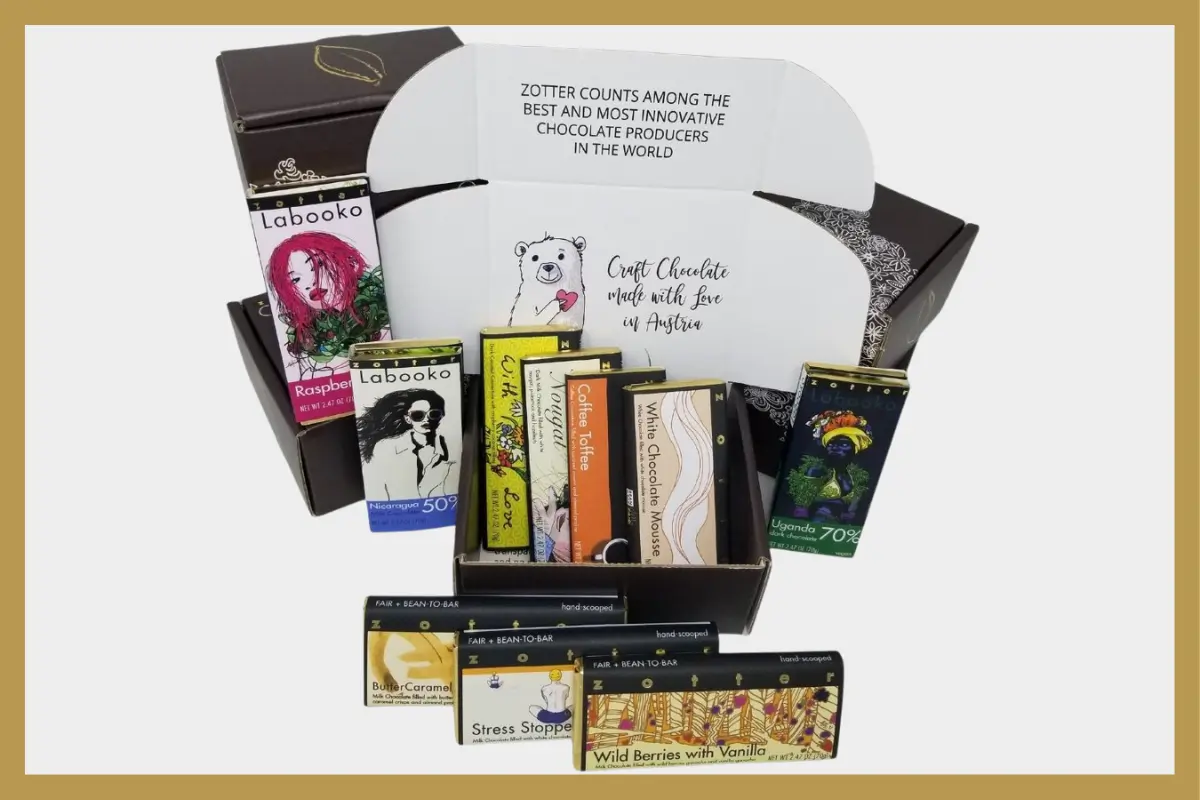
For a brand like Zotter USA, that relationship between integrity and imagination is especially relevant. Bold flavor creativity means more when the cocoa underneath it has real character and a sourcing story that holds up.
What to ask before you buy
You do not need to become a supply-chain auditor to shop more thoughtfully. A few smart questions go a long way. Can the brand explain where its cocoa comes from? Does it mention fair trade, organic standards, or direct sourcing with enough detail to be meaningful? Is there evidence that the company values farmers as skilled producers, not just suppliers?
It also helps to ask what kind of chocolate experience you want. If you are buying a pure origin bar, traceability and cocoa character may matter most. If you are choosing an inventive filled bar or a gift-worthy assortment, ingredient sourcing across the full product becomes part of the picture. Ethical cocoa is central, but so are sugar, dairy, nuts, and flavor inclusions if you are evaluating the whole product on values.
That is where premium shoppers often make the best choices – not by chasing a single label, but by rewarding brands that combine transparency, craft, and consistency.
A practical ethical cocoa sourcing guide for everyday shoppers
If you want a simple rule of thumb, look for four things working together: clear origin information, credible certifications or transparent sourcing claims, a quality-focused ingredient philosophy, and a brand voice that treats ethics as a practice rather than a slogan.
When those four elements show up together, you are usually in better territory. Not every brand will present them in the same way. Some lead with organic credentials. Others with fair trade. Others with direct relationships and bean-to-bar detail. The strongest brands make it easy to see how all those pieces connect.
And when they do, chocolate becomes more than a sweet purchase. It becomes a more complete luxury – one built on flavor, craftsmanship, and a supply chain with greater care behind it.
The next time you pick up a bar, give the wrapper an extra thirty seconds. Great chocolate rewards curiosity, and the best choices often begin before the first bite.