The first mistake most people make with chocolate tasting is treating every bar the same. A grocery-store candy bar eaten in two bites on the go asks almost nothing of you. A well-made artisan bar does. It changes as it warms, opens in layers, and leaves behind details that are easy to miss if you rush. If you have been wondering how to start chocolate tasting, the good news is that you do not need formal training. You just need a little attention, a few smart comparisons, and chocolate worth slowing down for.
Chocolate tasting is closer to wine, coffee, or olive oil tasting than to casual snacking. You are not only deciding whether something is sweet or bitter. You are noticing aroma, texture, snap, melt, finish, and how ingredients work together. The reward is simple: better chocolate becomes more vivid, and your own preferences become much clearer.
How to start chocolate tasting without overcomplicating it
Start small. Three to five chocolates in one sitting is enough for a beginner. More than that, and your palate starts to blur. The goal is not to prove how much you can taste. The goal is to notice real differences.
Choose chocolates that give you contrast. You might taste a dark origin bar next to a milk chocolate, or compare two dark bars from different cacao origins. You could also try one pure chocolate and one filled bar to understand how texture and flavor layering change the experience. If everything in your tasting lineup is too similar, you will have less to learn. If everything is wildly different, it can be harder to isolate what you are sensing. A balanced mix works best.
Room temperature matters more than most people expect. Chocolate that is too cold will feel muted and hard. Chocolate that is too warm can soften too quickly and lose definition. Let bars rest at a comfortable indoor temperature before tasting. Strong smells in the room can also interfere, so skip candles, perfume, and anything cooking nearby.
Water is usually enough to reset your palate. Plain crackers can help, but use them lightly. You are tasting chocolate, not building a ritual so elaborate that it gets in the way.
What to look for when you taste
A proper chocolate tasting begins before the first bite. Look at the surface. A well-made bar should appear glossy and clean, unless the style intentionally suggests something more rustic. Dullness or white streaking can signal bloom, which is not always a quality disaster, but it can affect texture and presentation.
Next comes the snap. Break off a piece and listen. Dark chocolate usually gives the clearest snap, while milk chocolate can sound softer. That sound tells you something about tempering and structure. It is a small detail, but once you hear it, you start to appreciate chocolate as craft rather than just confection.
Then smell the chocolate before tasting it. Aroma often gives away far more than the first second on your tongue. You may notice roasted notes, vanilla, caramel, red fruit, citrus, nuts, spice, or even earthy tones. None of this needs to sound precious. If it reminds you of brownies, dried cherries, honey, toasted bread, or yogurt, say that. Personal references are useful because they make your palate easier to trust.
When you finally taste, let the chocolate melt slowly instead of chewing it immediately. Texture is part of flavor. A silky, even melt tends to feel refined. A waxy or grainy melt can flatten the experience. As it melts, pay attention to how the flavor changes. Some chocolates open sweet and finish with elegant bitterness. Others begin with roasted depth and move into fruit or floral notes. Filled bars may unfold in stages, especially when ganache, praline, fruit, or spice is involved.
The finish matters too. Does the flavor disappear quickly, or linger in a pleasing way? Does it stay balanced, or turn sharp, sugary, or dry? Great chocolate often leaves a clear, memorable aftertaste rather than a vague sweetness.
How to build your first tasting lineup
If you are learning how to start chocolate tasting, one of the smartest choices is to organize around a theme. That keeps your attention focused and makes the differences easier to understand.
An origin tasting is one of the most rewarding places to begin. Try chocolates made from cacao sourced from different regions and notice how each origin expresses itself. Some bars lean fruity and bright. Others feel deeper, nuttier, or more earthy. You do not need to memorize a flavor map for every country. Just notice that cacao has a sense of place, and that place shows up in the cup and in the bar.
A percentage tasting is another good option. Compare a 50 percent, 70 percent, and 85 percent chocolate, ideally from makers with a similar quality standard. This teaches you an important lesson: higher cacao percentage does not automatically mean better chocolate. It usually means less sugar and a different balance. Some people love the intensity of very dark chocolate. Others prefer the creamier, rounder profile of lower percentages. Tasting side by side helps you find your own sweet spot.
A style tasting can be especially fun if you enjoy culinary creativity. Taste a pure dark bar next to a milk bar, a filled bar, and a bar with bold inclusions like fruit, nuts, coffee, or spice. This is where artisan chocolate becomes genuinely exciting. The best makers do not use flavor as camouflage. They use it as composition.
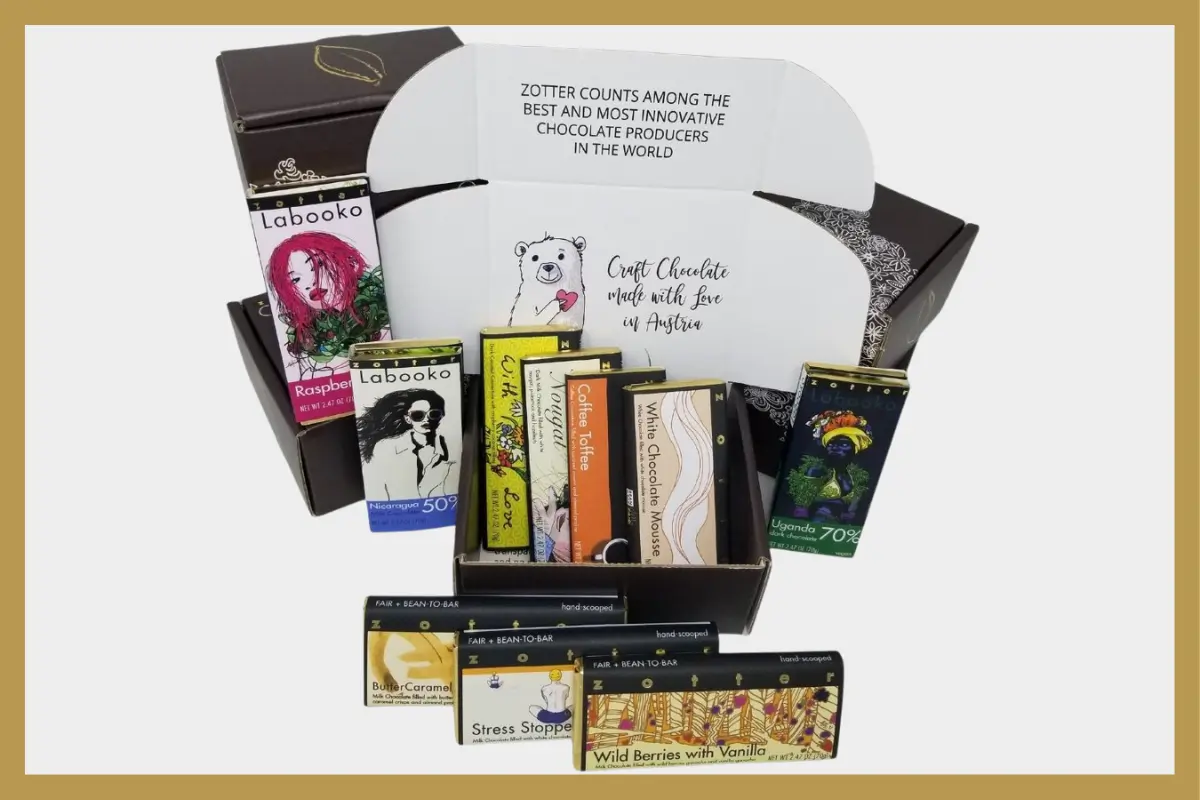
If you want a gentle starting point, a curated discovery assortment is ideal. It removes the guesswork and gives you a range that has already been selected with contrast in mind. For anyone new to artisan chocolate, that kind of guidance can make the first tasting feel inviting rather than intimidating.
How to talk about flavor without sounding ridiculous
People often hesitate because they think tasting notes require a trained vocabulary. They do not. The point is clarity, not performance.
Start with broad categories. Is the chocolate fruity, nutty, creamy, floral, spicy, earthy, or roasted? Then get more specific if you can. Berry is useful. Cherry is more useful. Toasted nuts is useful. Hazelnut praline is more useful. If all you know is that one bar tastes brighter and another tastes deeper, that still counts.
It also helps to separate what you like from what you notice. You may recognize a tobacco-like earthiness in a dark origin bar and still decide it is not your favorite. That is not failure. That is discernment. Tasting is not about pretending to admire every profile equally. It is about understanding what a chocolate is doing and whether that style suits you.
Writing a few notes can sharpen your palate surprisingly fast. Keep it short. Record the cacao percentage, origin or style, your first aroma impression, what happened on the melt, and whether you would want it again. Over time, patterns emerge. You may discover you consistently love bright fruit-forward dark chocolate, or that you prefer milk chocolate when it leans malty rather than overly sweet.
Common beginner mistakes
The biggest mistake is tasting too quickly. Good chocolate needs a moment. If you chew and swallow immediately, you skip much of what makes premium chocolate distinctive.
Another common error is tasting after coffee, wine, mint, or a strongly seasoned meal. Those flavors can dominate your palate. If you want the cleanest read, taste chocolate on its own or after something neutral.
Price can also distort expectations. Premium chocolate often costs more because of sourcing, organic ingredients, fair trade practices, small-batch production, and craftsmanship. That does not mean the most expensive bar will automatically be your favorite. It does mean you should judge it on complexity, balance, texture, and ingredient quality, not just on sweetness or familiarity.
One more trap: assuming dark chocolate is the only serious category. Excellent milk chocolate can be nuanced, elegant, and deeply satisfying. Filled bars can be just as thoughtful as pure origin bars when made with precision. A serious tasting palate is open, not narrow.
How to make chocolate tasting more meaningful
The more you taste, the more the story behind the bar matters. Cacao origin, farming practices, organic ingredients, fair trade commitments, and bean-to-bar production are not marketing decoration. They shape flavor, quality, and the integrity of the entire experience.
That is one reason artisan chocolate feels so different from mass-market candy. You are tasting decisions at every stage – sourcing, roasting, conching, recipe design, filling, texture, and finish. With a maker like Zotter, that can also mean a rare sense of play, where rigorous craftsmanship meets imaginative flavor building. For a home tasting, that combination of provenance and creativity keeps things interesting long after the first bar.
You do not need a special occasion to begin. Set out a few squares after dinner. Taste with a friend and compare notes. Build your own mini flight from different origins, percentages, or styles. The pleasure is immediate, but the deeper reward is that chocolate stops being background sweetness and becomes something far more expressive.
Start with curiosity, not expertise. Your palate will catch up quickly once you give it something worthy of your attention.