
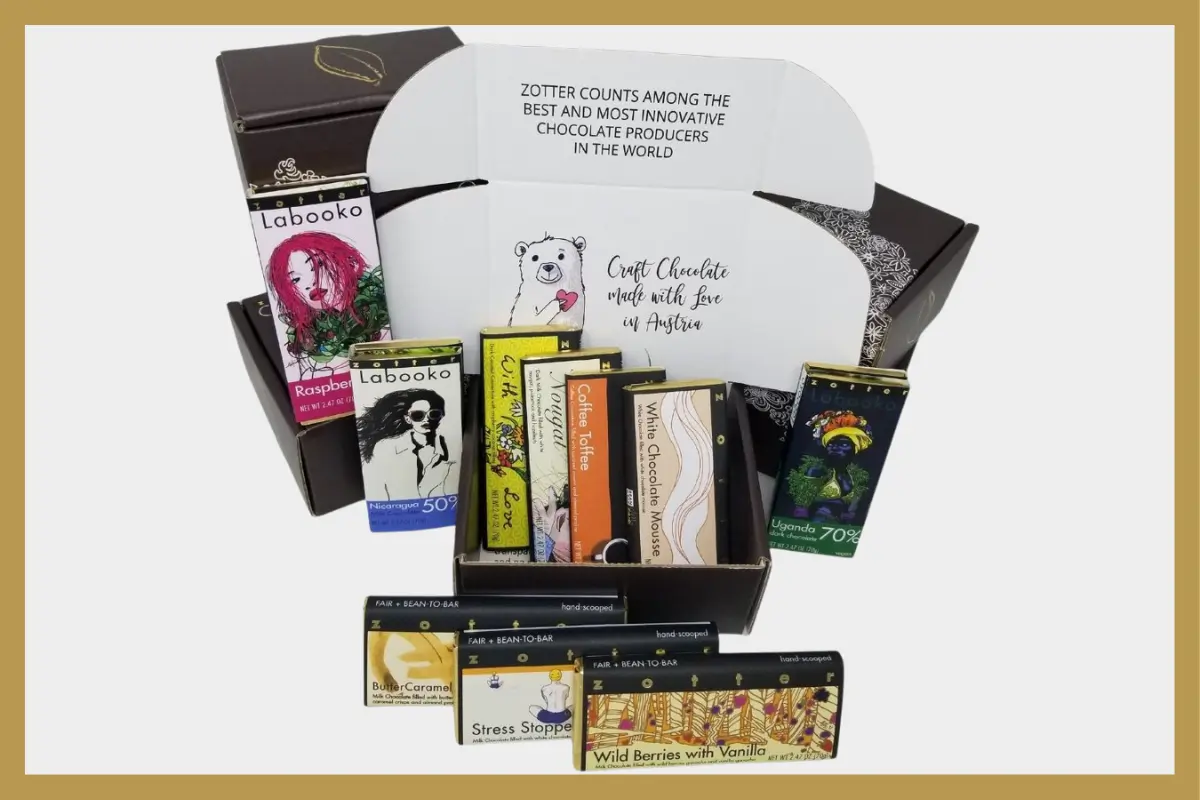
A filled chocolate bar can look simple from the outside – a neat rectangle, a glossy shell, a promise of something tucked within. Then you break into an artisan version and the difference is immediate. Understanding how artisan filled bars differ starts with that first snap and the moment the filling meets the chocolate shell: the textures are more precise, the flavors more layered, and the ingredients more intentional.
That difference is not just about luxury packaging or unusual flavor names. It comes from a completely different philosophy of chocolate making. Mass-market filled bars are usually built for speed, uniformity, long shelf life, and broad appeal. Artisan filled bars are built for character. They are designed to taste distinct, not anonymous, and that changes everything from cocoa sourcing to how the filling is cooked, whipped, layered, or hand-applied.
How artisan filled bars differ at the core
The clearest answer to how artisan filled bars differ is that they are made with flavor in mind first, not factory efficiency first. In a conventional bar, the shell and filling often serve a formula. Sweetness is calibrated for the widest possible audience, textures are engineered to stay stable for long distribution cycles, and ingredients are chosen as much for cost control as for taste.
In an artisan filled bar, the recipe tends to begin with a more specific idea. Maybe it is a dark chocolate shell built to frame a tart berry ganache. Maybe it is a nut praline with a touch of sea salt, or a layered filling where fruit, caramel, and spice each have a deliberate role. The bar is not trying to flatten those contrasts. It is trying to make them memorable.
That is why artisan bars often feel more dynamic on the palate. You taste the chocolate itself, not just the sweetness of the center. You notice the shift from crisp shell to silky filling. You may even pick up a sequence – cacao first, then fruit brightness, then roasted nuttiness, then a finish that lingers longer than expected.
Ingredient quality changes the experience
One major reason artisan filled bars stand apart is the ingredient standard. Premium makers are more likely to focus on real ingredients with a clear sensory purpose: actual fruit purées, fresh dairy or carefully chosen plant-based alternatives, finely ground nuts, authentic spices, quality coffee, high-grade spirits, or distinctive origins of cacao.
That may sound obvious, but it matters enormously in a filled bar because the center magnifies every shortcut. Artificial flavors, excessive sugar, waxy fats, and generic cocoa notes are hard to hide once texture and aroma become part of the experience. A filling made with real raspberry tastes sharper and more alive than one built around flavoring. A praline made with carefully roasted hazelnuts has depth, not just sweetness and fat.
There is a trade-off, of course. Better ingredients can be more delicate. They may require tighter production control, more careful storage, and a shorter ideal freshness window. But that is often exactly why the result tastes more vivid.
Chocolate is not just a wrapper
In lower-end filled bars, the chocolate shell can function like a container. It holds the filling and delivers familiarity, but it is not always expected to contribute much personality. In artisan bars, the shell is part of the composition.
That means the cacao percentage is chosen with intent. A darker shell may sharpen a creamy filling. A milk chocolate shell may add caramel notes that soften fruit acidity. A white chocolate layer may be used for contrast rather than simple sweetness. When the chocolate is bean-to-bar or origin-conscious, the shell can bring its own notes of red fruit, roasted nuts, honey, or spice.
This is where craftsmanship becomes easy to taste. The shell and filling are not competing. They are in conversation.
Texture is where craftsmanship becomes obvious
If flavor is the headline, texture is the proof. Artisan filled bars often show much more attention to mouthfeel than mass-produced alternatives. The shell may be thinner and snappier. The center may be silkier, fluffier, denser, or more layered depending on the concept. Even a tiny difference in texture can make a bar feel more refined.
Think about the range available inside a premium filled bar. A ganache can be smooth and slow-melting. A nougat can be airy rather than sticky. A caramel can be soft and buttery instead of chewy and generic. A marzipan can taste finely milled and aromatic rather than heavy and sugary. Some bars even combine textures in the same piece – crisp bits, creamy praline, liquid fruit gel, or a thin marzipan layer under a mousse-like filling.
That kind of structure is difficult to fake. It usually reflects careful formulation and more hands-on production. It also asks more of the eater, in the best way. You are not just chewing candy. You are noticing contrast.
Flavor design is bolder and more deliberate
Artisan chocolate makers tend to take flavor seriously enough to be playful. That may sound contradictory, but it is part of the appeal. A premium filled bar can be elegant and surprising at the same time.
This is another answer to how artisan filled bars differ: they are more willing to be specific. Instead of a vague fruit filling, you might get black currant with dark chocolate. Instead of a generic nut center, maybe a pistachio layer with citrus or a hazelnut praline sharpened by coffee. Spices, herbs, flowers, teas, spirits, and savory accents all become possibilities when the maker is designing for discovery rather than lowest-common-denominator appeal.
Not every adventurous flavor works for every person. That is part of the point. Artisan bars are often meant to have a point of view. Some are comfortingly classic, others are deliberately provocative. The best ones still stay balanced. Surprise should never come at the expense of good chocolate.
Why balance matters more than novelty
Premium shoppers know the difference between creativity and gimmick. A filled bar with unusual ingredients is only worth repeating if the flavors integrate well. The chocolate should still taste like chocolate. The filling should support the whole bar, not hijack it.
When done well, bold flavor combinations feel composed rather than chaotic. Sweetness is controlled. Acidity has purpose. Salt is measured. Bitterness adds depth. You are left with a bar that tastes imaginative and complete, not just unusual for attention’s sake.
Sourcing and ethics are often part of the difference
For many chocolate lovers, the story behind the bar matters almost as much as the flavor. Artisan makers are more likely to emphasize organic ingredients, fair trade practices, transparent sourcing, and a stronger relationship to cacao itself. That does not automatically guarantee better taste, but it often aligns with a more careful approach to quality.
Ethical sourcing also changes how people experience premium chocolate. A bar feels more meaningful when its ingredients are chosen with respect for growers, production standards, and environmental impact. For shoppers who want indulgence without disconnect, this matters.
In the filled-bar category, that commitment can be especially compelling because it proves that craftsmanship extends beyond the center. The bar is not just engineered to tempt. It is built with standards.
Production methods shape the final result
Industrial scale tends to reward consistency above all else. Artisan scale tends to reward detail. That difference shows up in filled bars more dramatically than people expect.
A hand-finished or carefully small-batch bar may allow for fillings that are more nuanced, more layered, or less dependent on stabilizers. It may also allow for more seasonal ideas and limited runs. That flexibility is one reason premium brands can offer such a broad and exciting assortment.
Zotter USA is a strong example of this approach, with hand-scooped filled bars that feel designed as complete tasting experiences rather than standard candy bars. The point is not simply that they are different. It is that the difference is edible.
There are trade-offs here too. Artisan production can mean higher prices, and not every bar is meant for mindless snacking. Some are better suited to slow tasting, gifting, or sharing. For many shoppers, that is part of the appeal. The bar feels considered, and so does the moment of eating it.
Who notices the difference most?
If you usually reach for chocolate as a quick sweet fix, the jump to artisan filled bars may feel most obvious in reduced sweetness, more complex flavor, and richer texture. If you are already interested in origin chocolate, premium confections, or gourmet gifting, you will likely notice the finer details faster – the quality of the shell, the balance of the filling, the restraint in the sugar, the confidence of the recipe.
That said, appreciation does not require technical vocabulary. You do not need to describe flavor notes like a sommelier to know when a bar tastes alive. You just need a bar that gives you something more than sugar and sameness.
The real difference is intention
At the highest level, artisan filled bars differ because they are made to express an idea. Sometimes that idea is pure pleasure – silky caramel under dark chocolate, say, or an exquisite nut praline. Sometimes it is contrast, surprise, or seasonal storytelling. But the best ones always feel intentional.
That intention reaches into every part of the bar: ingredient sourcing, cocoa quality, texture, filling style, sweetness level, and flavor architecture. It is why one filled bar disappears like a snack and another asks you to pause between bites.
If you are choosing a premium bar, that is what you are really paying for. Not just a filling, but a fuller experience of chocolate – crafted, distinctive, and worth remembering the next time you want something far better than ordinary.