
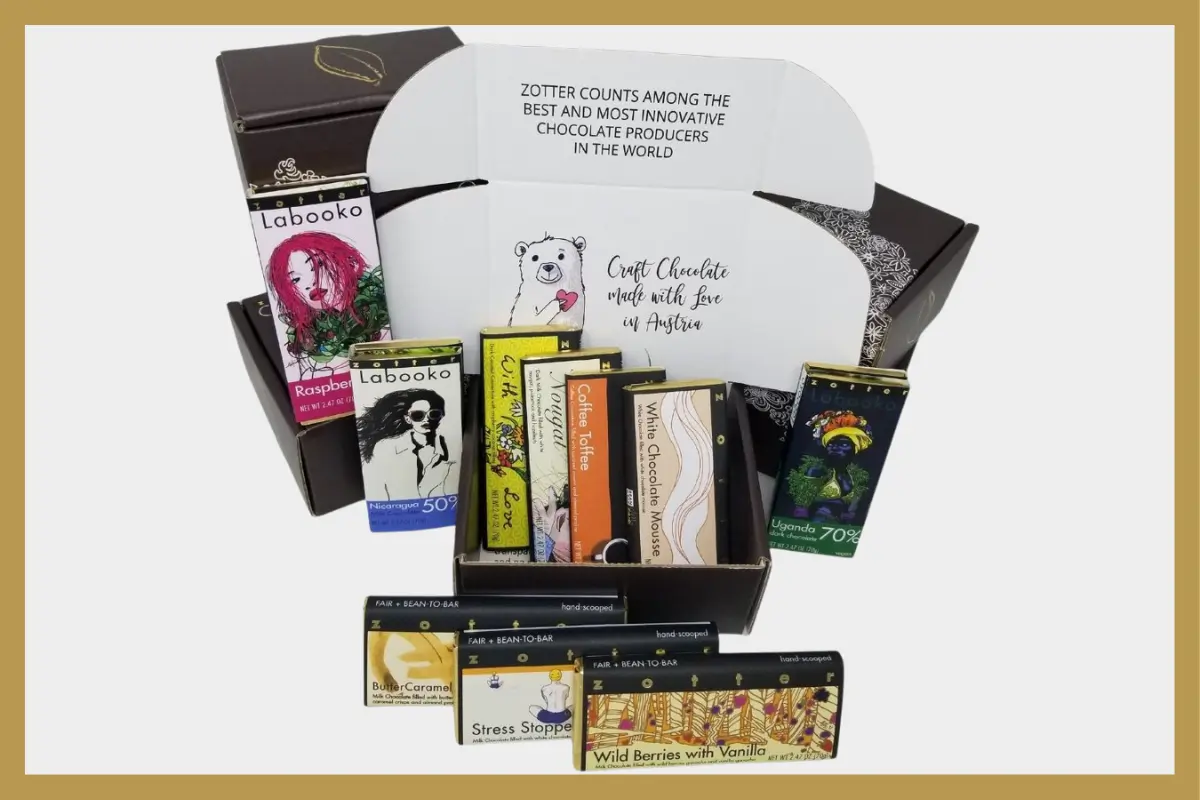

Pick up a bar labeled with a layered filling, a nut praline, a fruit ganache, or a boldly spiced center, and the question comes fast: what is hand scooped chocolate, exactly? It sounds artisanal because it is – but the term means more than small-batch charm. It describes a real production method that affects texture, flavor structure, ingredient quality, and the overall eating experience in ways mass-produced chocolate usually cannot match.
What is hand scooped chocolate?
Hand scooped chocolate is a style of filled chocolate bar made by manually layering or portioning the filling onto a base of chocolate before it is sealed with another chocolate layer. Instead of pumping a uniform center into a molded shell at industrial speed, the filling is literally scooped, spread, or placed by hand in measured batches. That hands-on approach gives the maker more freedom with texture, more control over how ingredients behave, and more room for unusual flavor combinations.
The result is often flatter and more layered than a molded bonbon, with a distinct cross-section you can actually see when you break the bar. You may notice a fruit layer sitting over a nut cream, or a soft ganache paired with crisp inclusions, all enclosed in a chocolate shell. That visible architecture is part of the appeal. Hand scooped chocolate is not just filled chocolate. It is composed chocolate.
Why the hand-scooped method matters
In premium chocolate, process is flavor. The hand-scooped method matters because it changes what a chocolatier can make and how that chocolate feels on the palate.
First, it allows for fillings that are less standardized. Industrial confectionery tends to favor centers that can be pumped, molded, and stored with maximum efficiency. That often means a narrower range of textures – smooth, stable, predictable, and built for scale. Hand scooping opens the door to softer ganaches, layered creams, jammy fruit preparations, marzipan-like textures, and fillings with more personality.
Second, it supports greater flavor precision. When a chocolate maker is building a bar in layers, they can decide exactly how much of each component belongs in the bite. A tart berry note can be kept bright rather than overpowering. A coffee cream can sit behind the cacao instead of bulldozing it. A nut praline can add richness without turning greasy. Those details matter if you care about balance.
Third, the method makes creativity more practical. Some combinations simply do not fit neatly into mass-market systems. Hand-scooped chocolate can accommodate flavors that are more culinary, more seasonal, or more adventurous because the production style is built for variation rather than rigid repetition.
That does not mean every hand-scooped bar is automatically better. It means the format gives skilled makers more expressive range. Like any craft process, the quality still depends on ingredients, recipe development, and execution.
How hand scooped chocolate is made
The exact method varies by maker, but the general process follows a clear logic. A layer of chocolate is prepared as the foundation. Then the filling is added by hand in controlled amounts, often spread into an even layer. In many bars, the filling itself may be layered, with one component placed over another before the bar is finished with a backing of chocolate.
Once assembled, the bar is cooled so the layers set properly. The final texture depends on the recipe. Some fillings remain silky and fluid. Others become dense, creamy, airy, or slightly chewy. Because the center is not just a generic “filling” but a crafted composition, the maker can shape how the bar breaks, melts, and unfolds in the mouth.
This method also creates a different visual identity. Slice or snap a hand-scooped bar and you often see its structure immediately. That cross-section tells you the bar was built, not simply manufactured.
Hand scooped chocolate vs. mass-produced filled chocolate
This is where the difference becomes obvious.
Mass-produced filled chocolate is designed for consistency at very high volumes. There is nothing inherently wrong with consistency. In fact, it is useful. But large-scale production often favors lower-cost ingredients, simplified textures, and formulas that can survive long supply chains without losing shape.
Hand scooped chocolate usually aims for a different outcome. It prioritizes sensory character over manufacturing efficiency. That can mean richer fillings, more delicate textures, cleaner ingredient lists, and more distinct flavor layering. You are paying not only for chocolate, but for craftsmanship and composition.
There are trade-offs, of course. Handcrafted bars can cost more. They may be produced in smaller runs. Some are more sensitive to heat or storage conditions because they contain more nuanced fillings. For many chocolate lovers, that is part of the point. A premium bar is not trying to behave like a vending machine candy bar. It is trying to deliver an experience worth slowing down for.
What hand scooped chocolate tastes like
If you have only eaten mainstream filled bars, the first surprise is usually texture. Hand scooped chocolate often feels more dynamic. Instead of one-note sweetness followed by a generic cream center, you get contrast. A crisp chocolate shell gives way to a soft layer, then maybe a second texture with more body or brightness.
The second surprise is flavor clarity. In a well-made hand-scooped bar, the cacao still matters. The shell is not there just to hold the filling together. It is part of the recipe. The best bars let the chocolate and the center speak to each other. Dark chocolate might sharpen a fruit layer. Milk chocolate can round out spice or caramel notes. A high-cacao shell can temper sweetness and keep the whole bar more elegant.
Then there is pacing. Good hand-scooped chocolate unfolds in stages. You taste the shell, then the filling, then the way both linger together. That layered progression is a big reason premium shoppers seek it out.
What to look for in a great hand-scooped bar
If you are shopping for hand-scooped chocolate, look beyond the phrase itself. Not all artisan branding means the same thing.
Start with ingredients. High-quality cacao, real nuts, fruit, spices, dairy, or plant-based components will usually create a more vivid bar than artificial flavor systems. Organic and fair trade sourcing can also signal a maker that cares about quality at the ingredient level, not just the packaging.
Next, look at flavor construction. The most memorable bars are not random. They are composed with intent. Sweetness, acidity, bitterness, and texture should feel balanced. A bar can be playful without being chaotic.
Finally, consider the maker’s philosophy. Bean-to-bar producers and artisan chocolate houses often bring a stronger point of view to the final product because they are thinking about cacao from the source onward. That broader attention tends to show up in the finished bar.
At Zotter USA, hand-scooped chocolate is part of a wider commitment to bean-to-bar craft, organic and fair trade sourcing, and flavor combinations that are both daring and precise. That matters when you want a bar that feels gift-worthy, memorable, and genuinely different from the mainstream aisle.
Is hand scooped chocolate always better?
Better depends on what you want.
If you are after a cheap, sweet, familiar candy bar, hand-scooped chocolate may feel too refined, too unusual, or simply too expensive for the occasion. If you want an artisan product with a stronger sense of origin, texture, and recipe craftsmanship, it offers something mass production rarely does.
It also depends on your taste. Some people love a clean single-origin dark bar with no filling at all. Others want chocolate to be more expressive, layered, and dessert-like. Hand scooped chocolate sits beautifully in that second category. It can be indulgent, but it does not have to be blunt. The best versions deliver complexity without losing pleasure.
Why chocolate lovers keep coming back to it
Hand scooped chocolate appeals to people who want more than sweetness. They want story, texture, surprise, and a sense that someone actually made a choice at every stage of the bar. In a market crowded with lookalike confections, that feels refreshingly specific.
It also makes chocolate more giftable. A hand-scooped bar signals discernment. It feels curated. When the ingredients are ethically sourced and the flavors are thoughtfully built, the bar carries more than indulgence. It carries values and craftsmanship too.
So, what is hand scooped chocolate? It is chocolate made with a more human touch, where filling is layered by hand, flavor is treated as composition, and the final bar offers something richer than convenience. If you have never tried it, start with a flavor that sounds slightly unexpected but still inviting – that is usually where the magic begins.