
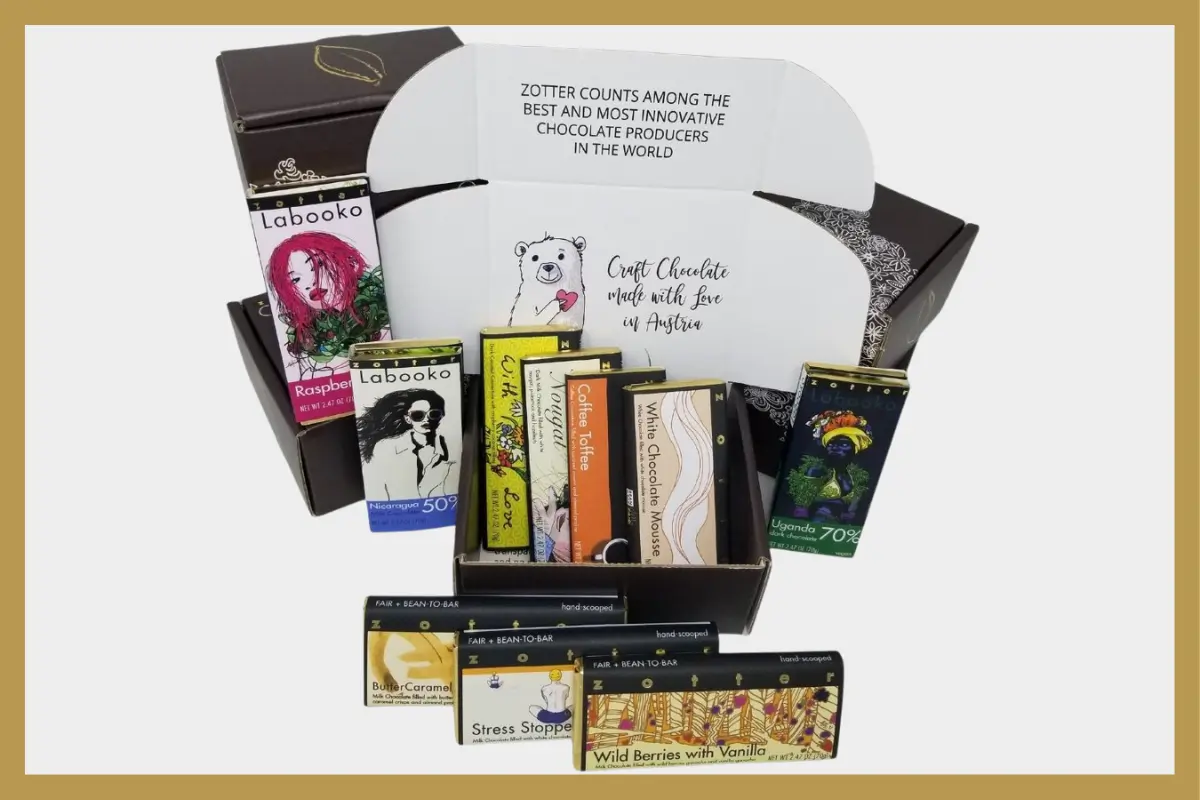

A chocolate bar can look luxurious on the outside and still tell you very little about how it was made. That is why understanding bean to bar chocolate meaning matters. It is not just a romantic phrase for better packaging. It points to a specific way of making chocolate – one that gives the maker control over sourcing, flavor, texture, and quality from the cocoa bean onward.
For shoppers who care about craftsmanship, origin, and what they are actually paying for, that distinction is worth knowing. Bean-to-bar is often associated with premium chocolate for good reason, but the term is also used loosely enough that it helps to know what counts, what does not, and where the gray areas begin.
What bean to bar chocolate meaning actually includes
At its simplest, bean-to-bar means a chocolate maker starts with raw or minimally processed cocoa beans and turns them into finished chocolate in-house. That usually includes selecting and sourcing the beans, roasting them, cracking and winnowing them, grinding the cocoa nibs, refining the texture, conching for flavor development, tempering, molding, and wrapping the final bar.
The heart of the concept is control. Instead of buying pre-made couverture or industrial chocolate and remelting it, the maker builds the chocolate from the bean up. That process shapes the final bar in ways that are impossible to fake later. Roast too lightly and the chocolate may taste sharp or grassy. Roast too far and delicate fruit notes disappear. Conche longer and the bar becomes smoother and rounder. Choose beans from a different harvest and the entire flavor profile can shift.
That is why bean-to-bar is more than a production detail. It is the difference between composing flavor and simply assembling a product.
What bean to bar does not mean
Bean-to-bar does not automatically mean the chocolate is ethical, organic, fair trade, or superior. It can be all of those things, but the term itself only speaks to how the chocolate is made, not whether every sourcing or certification standard has been met.
It also does not mean every bar will taste intense, bitter, or minimalist. Some bean-to-bar makers focus on pure origin bars with just cocoa and sugar. Others use the same craft foundations to create filled bars, layered textures, vegan recipes, or more adventurous flavor combinations. The production model says nothing about whether the final experience will be classic or wildly creative.
And it definitely does not mean mass appeal. In fact, some bean-to-bar chocolate is intentionally distinctive. If a maker wants a bar to reflect the specific character of a bean from Peru, Madagascar, or Belize, they may preserve acidity, floral notes, or natural fruitiness that mainstream chocolate tends to smooth out.
Why bean-to-bar matters for flavor
Cocoa beans are agricultural products, not identical industrial inputs. They carry the influence of variety, soil, climate, fermentation, drying methods, and harvest conditions. A maker working bean-to-bar can decide how much of that origin character to reveal or soften.
That is where the category becomes exciting. One bar may lean red-berry bright and lively. Another may show notes of roasted nuts, spice, caramel, or deep earth. Two bars with the same cocoa percentage can taste completely different because percentage tells you only part of the story. The bean itself, and the decisions made around it, shape the rest.
This is one reason premium shoppers often find bean-to-bar chocolate more memorable. It offers more than sweetness and cocoa intensity. It can carry place, personality, and a maker’s point of view.
Why sourcing is part of the conversation
If a chocolate maker starts with the bean, sourcing becomes central. They have to choose where the cocoa comes from, what quality standards matter, and what kinds of producer relationships they want to support.
That does not guarantee ideal practices, but it often creates more visibility. The best bean-to-bar makers are unusually transparent about origin, harvest, and partnerships because those details are part of the value of the chocolate. Ethical sourcing, fair trade commitments, and organic production fit naturally in this world because buyers who care how chocolate is made often care how cocoa is grown and traded too.
For a brand with strong standards, bean-to-bar is not just about technical control. It is also about respecting the ingredient at the start of the chain.
Bean to bar chocolate meaning versus regular chocolate production
Most commercial chocolate is made from cocoa liquor, cocoa butter, or finished couverture produced by large processors. That is not inherently bad. Many excellent chocolatiers work with pre-made chocolate and create beautiful truffles, bonbons, and pastries. But they are not bean-to-bar makers unless they begin with the beans themselves.
That distinction matters because these are different crafts. A chocolatier may specialize in fillings, shaping, decorating, or pairing flavors. A bean-to-bar maker specializes in transforming raw cocoa into chocolate before any of that happens. Some companies do both, which can produce especially distinctive results.
For the shopper, the easiest test is simple. If the brand controls the chocolate-making process from cocoa bean to finished bar, it is bean-to-bar. If it buys ready-made chocolate and turns it into another confection, it is not.
Why the term can feel confusing
Part of the confusion comes from packaging language. Words like artisan, craft, small-batch, premium, and hand-crafted often appear near bean-to-bar, and they can blur together. Some of those words have no precise production meaning at all.
Bean-to-bar is more specific than artisan, but even then, standards are not perfectly regulated across the market. A brand may handle much of the process while outsourcing one stage. Another may source roasted nibs rather than whole beans. Is that still bean-to-bar? Purists may say no. Others may allow some flexibility if the maker still controls formulation and finishing.
This is where informed shopping helps. The more transparent the maker is about process, the easier it is to trust the label.
What to look for on the label or product page
A strong bean-to-bar brand usually gives you more than a percentage and a glossy wrapper. Look for signs of genuine production involvement, such as origin details, sourcing notes, cocoa varieties, harvest information, or explanations of the maker’s roasting and flavor approach.
Transparency around certifications and ingredient standards also matters. If organic and fair trade sourcing are priorities for you, those should be stated clearly rather than implied through storytelling alone. The same goes for vegan formulations, milk content, and the role of added flavors.
This is also where luxury and craft intersect in the best way. A premium bar should feel exquisite, but it should also tell you why it is distinctive.
Bean-to-bar and filled chocolate can coexist
Some shoppers assume bean-to-bar only applies to plain dark bars. It is true that unfilled bars make it easier to taste the base chocolate clearly, but the model can extend much further.
A maker that produces its own chocolate from the bean can use that same chocolate in filled bars, layered confections, drinking chocolate, and seasonal creations. In fact, this can make flavor pairings more precise. If the shell chocolate is made in-house, the maker can tune it to complement fruit, nuts, coffee, caramel, spirits, or spice rather than relying on a generic base.
That opens the door to a more adventurous kind of luxury. Chocolate can still be playful, surprising, and gift-worthy while remaining serious about ingredients and process. That balance is part of what makes the category so compelling.
Is bean-to-bar always better?
Not automatically. A poor bean-to-bar maker can produce rough, overly acidic, or unbalanced chocolate. A great chocolatier using excellent couverture can create a more polished final product than a less skilled maker starting from raw beans.
But when bean-to-bar is done well, it tends to offer something more personal. You are tasting a chain of decisions, not just a finished formula. That often translates into clearer flavor, stronger identity, and deeper trust in what the brand stands for.
For many premium chocolate buyers, that is the appeal. They are not only buying candy. They are buying craft, origin, ethics, and experience in one bar.
If you want to explore that world, start with a few different styles rather than one very dark bar and a verdict. Compare origins. Try plain chocolate beside filled bars. Notice texture, aroma, and how long the flavor stays with you. At www.zotterusa.com, that sense of discovery is part of the pleasure.
The best bean-to-bar chocolate rewards curiosity. Once you know what the term really means, the bar in your hand stops being just a treat and starts becoming a story you can actually taste.